

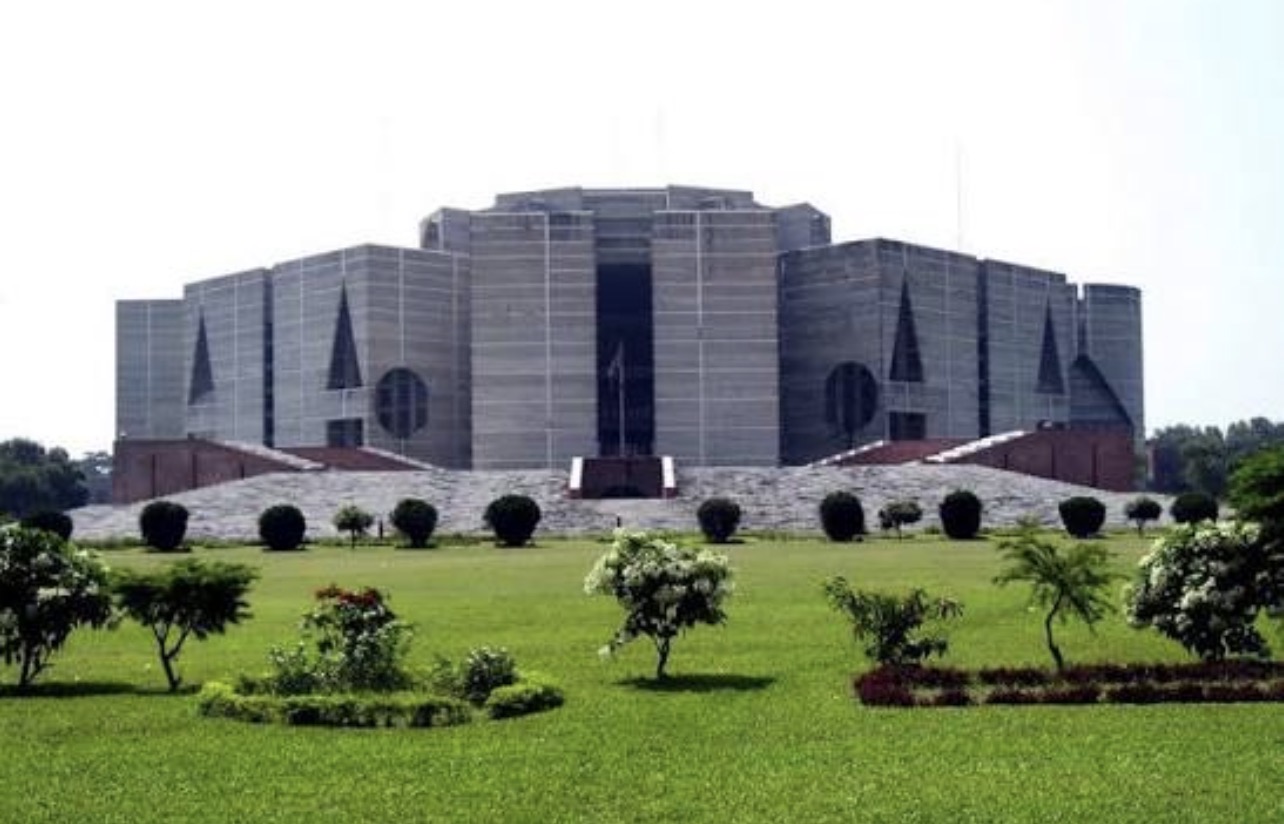
Dhaka, Bangladesh — The nomination process for women’s reserved seats in Bangladesh’s Parliament has once again become a topic of national discussion as political parties begin preparing their lists of female candidates for the next term of the Jatiya Sangsad. While the system was created to increase women’s participation in national politics, critics say the process still raises serious questions about fairness and transparency.
Under the Constitution of Bangladesh, 50 seats in the 350-member Parliament are reserved exclusively for women. Unlike the 300 general parliamentary seats that are filled through direct public voting, these reserved seats are distributed among political parties in proportion to the number of general seats each party wins in a national election. The more seats a party wins, the more women’s reserved seats it receives.
After the election, political parties select women from within their own ranks and submit the names to the Bangladesh Election Commission for approval. In most cases, the number of nominees matches the number of seats allocated, meaning the candidates are elected without a separate public vote.
The process begins once election results are finalized. First, the Election Commission calculates how many reserved women’s seats each political party is entitled to receive. Second, parties invite applications or recommendations from female leaders, activists, professionals, and senior members.
Third, a party committee reviews the candidates based on political experience, party loyalty, social contributions, leadership ability, and public reputation Finally, party leadership prepares a nomination list and submits the final names to the Election Commission for formal confirmation.
The names are then officially published through government notification, making them members of Parliament.
Minimum criteria to become a Women’s Reserved Seat MP is to qualify for nomination, a woman must meet the constitutional requirements for becoming an MP in Bangladesh. Must be a citizen of Bangladesh, Must be at least 25 years old, Must be a registered voter, Must not be legally disqualified by criminal conviction or bankruptcy, Must be nominated by a registered political party represented in Parliament
Although these are the legal requirements, political parties often prefer candidates who also have long-term party involvement, leadership in women’s organizations, community service records, educational or professional standing
Why the nomination list matters
Because voters do not directly elect women to these reserved seats, the party nomination list effectively determines who enters Parliament. The list can shape, women’s leadership in national politics, policy influence, representation of grassroots women in government
For many aspiring female politicians, being placed on that list remains one of the few formal pathways into national legislative power.
Transparency in the process remains one of the biggest concerns for political observers.
Critics point to several problems:
No direct public voting
Citizens have no role in choosing the women selected for reserved seats.
No clear public criteria
Parties rarely explain why some candidates are chosen while others are excluded.
Concentrated party control
A small group of senior leaders often decides the final list.
Limited accountability
Some believe reserved-seat MPs may feel more accountable to party leadership than to ordinary citizens.
Allegations of favoritism
There have long been complaints that political connections sometimes outweigh merit.
Some analysts argue that the system can occasionally function more as a party reward mechanismthan a genuine effort to promote women’s political empowerment.
Calls for reform
Women’s rights advocates and governance experts have proposed several reforms, including:
publishing candidate names before approval
creating clear selection guidelines
increasing public scrutiny
introducing internal party voting
allowing direct elections for women’s seats in the future
Supporters say such reforms could strengthen public trust while ensuring the reserved-seat system truly advances women’s participation in Bangladesh’s democracy.
As parties prepare their final nomination lists, the debate continues over whether the women’s quota system should remain a political appointment process or evolve into a more transparent and democratic model for the future.