

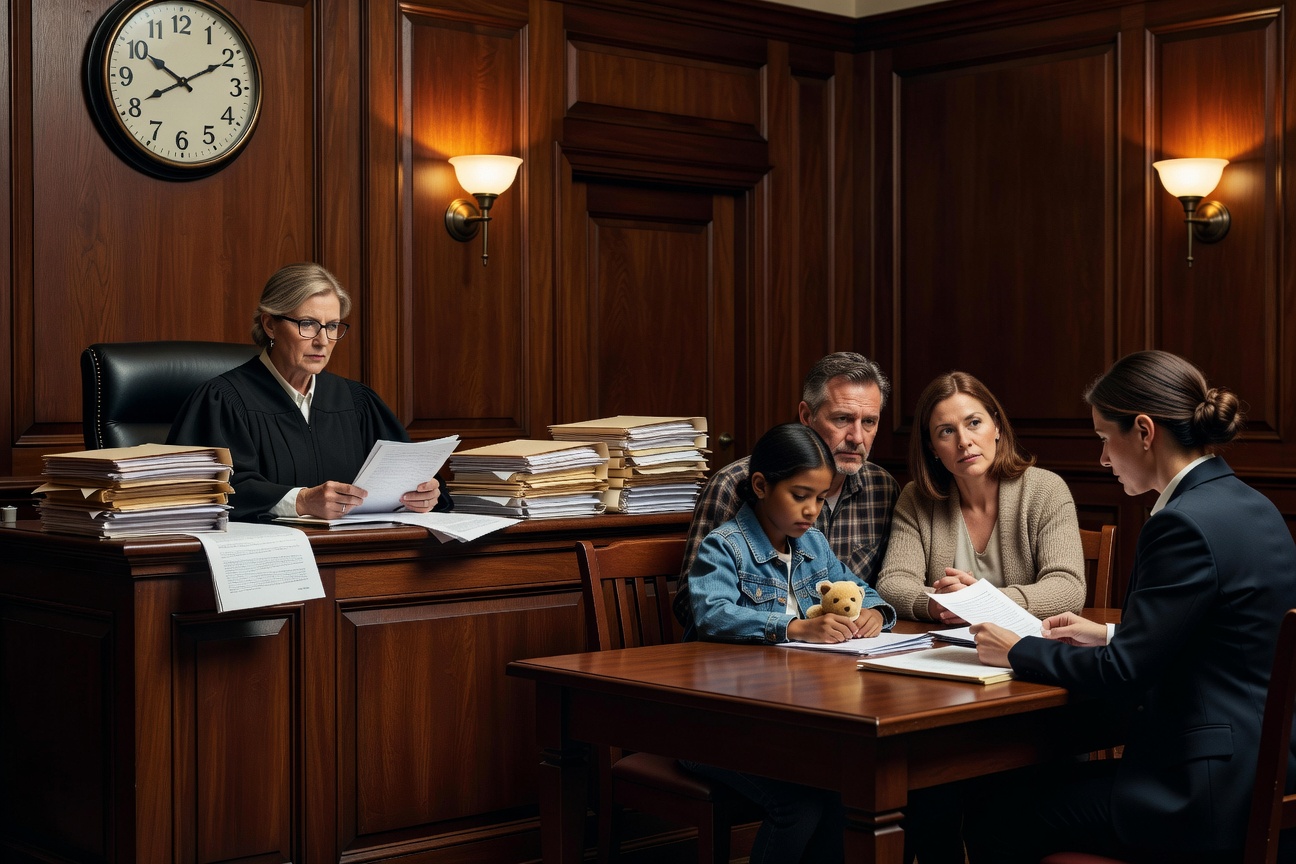
NEW YORK, NY — The United States immigration court system is currently grappling with an unprecedented backlog of cases, a phenomenon that significantly impacts thousands of Bangladeshi nationals seeking asylum, permanent residency, or relief from deportation. For applicants within the U.S. and those abroad trying to join their families, these historic delays are transforming already stressful processes into years-long marathons, leaving lives and legal statuses in a painful limbo.
The backlog, which has exceeded 3.7 million cases in the U.S. immigration court (EOIR) system, creates unique and severe challenges for the Bangladeshi diaspora, a growing and increasingly significant immigrant group in the United States.
Understanding the Scale of the Delays
When an individual applies for immigration status that must be adjudicated by a court (most commonly, asylum claims that are denied at the administrative office and referred for a hearing), they are entered into the EOIR queue.
Years of Waiting: In major immigration hubs like New York City, Dallas, and Los Angeles—where large Bangladeshi communities reside—the waiting time for a Master Calendar hearing (the initial hearing) can often stretch to two to three years. A final decision on a case might not arrive for five to seven years after the initial application.
The NYC Hub: With a large percentage of Bangladeshi applicants living in the Queens and Brooklyn boroughs, the New York City court backlog is of particular concern.
The Direct Impact on Bangladeshi Families and Applicants
The court backlog is not just a logistical failure; it is a profound humanitarian issue for the families it affects.
1. Continued Separation from Family
The most painful consequence is extended family separation. Many Bangladeshi applicants in the U.S. are working to petition for their spouses or children still in Bangladesh. The court backlog freezes the petition process, meaning families remain separated for years, missing vital moments in children’s lives.
2. Legal Limbo and Economic Vulnerability
While waiting for a court hearing, applicants often cannot secure long-term work authorization (EAD). While some can renew intermediate permits, the constant expiration dates create instability in employment. Employers are often hesitant to hire or promote individuals with uncertain futures. This leaves many applicants vulnerable to economic exploitation or reliant on informal employment.
3. Deteriorating Evidence for Asylum Claims
For Bangladeshi applicants seeking asylum due to political persecution, religious discrimination (particularly for minorities), or other human rights concerns, delays erode the quality of their evidence. Witnesses may disappear, documents can be lost, and political conditions in Bangladesh may shift, making a compelling case more difficult to argue in court years later.
Advice for Bangladeshi Applicants and Advocates
The long waits mean that proactive case management and strategic preparation are more critical than ever before.
Critical Steps for Applicants |
1. Consult Experienced Legal Counsel: Do not navigate this alone. Seek a reputable immigration attorney who is familiar with the EOIR backlog in your specific jurisdiction. |
2. Maintain Detailed Records: Keep every document, every confirmation notice, and every communication with the court. Build your case portfolio continually during the waiting period. |
3. Update Contact Information: This is vital. Ensure the EOIR always has your correct, current address. Missing a hearing notice can lead to an in absentia removal order. |
4. Inquire Strategically: Your attorney can sometimes file a 'Motion to Advance' if there are compelling circumstances (like extreme medical need), but these are rarely granted without proof. |
The Bigger Picture: Policy and Justice
The immigration court system (which falls under the Department of Justice, not the Department of Homeland Security) suffers from systemic issues: an extreme shortage of judges, inadequate technology, and procedural changes with shifting administrations.
While the backlog grows, the Bangladeshi community must remain informed, prepared, and legally supported to face the unique challenges this system presents.