

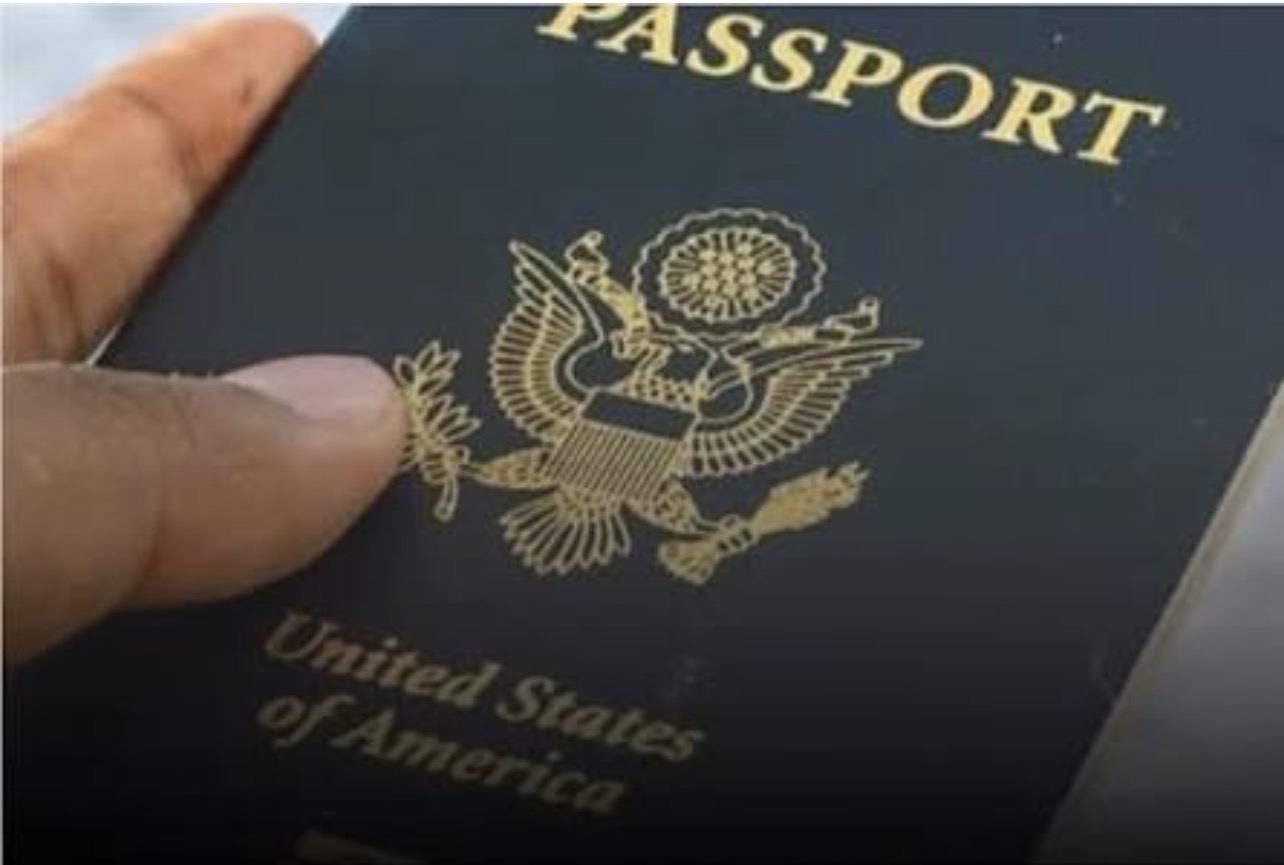
WASHINGTON, MAY 07, 2026— In a major escalation of federal enforcement, the U.S. State Department announced on Thursday, May 7, 2026, that it will begin the proactive revocation of U.S. passports for thousands of parents who owe significant amounts of unpaid child support.
The first phase of the crackdown, set to begin this Friday, targets individuals with arrears of $100,000 or more. According to data provided by the Department of Health and Human Services (HHS), this initial wave will affect approximately 2,700 American passport holders.
While federal law has long allowed the government to deny new passport applications or renewals for anyone owing more than $2,500, the new policy represents a shift toward active revocation of existing documents.
For the Current Phase: Immediate revocation for those owing $100,000+. Next Phase: The program will soon expand to include all parents owing more than $2,500, the threshold established by the 1996 Personal Responsibility and Work Opportunity Reconciliation Act. As Total Impact: While the exact number of parents owing over $2,500 is still being tallied by HHS, officials suggest the number could reach tens of thousands.
The question is Why Now? The State Department is moving from a "passive" enforcement model—where they waited for a parent to apply for a passport—to an "active" model. Assistant Secretary of State for Consular Affairs, Mora Namdar, called the move a "commonsense practice" to compel parents to meet their financial obligations.
"We are taking this action precisely to impel these parents to do the right thing by their children," the department stated. "Once these debts are resolved, they can once again enjoy the privilege of a U.S. passport."
Now individuals identified by state child support agencies will receive a notice from the federal government. To regain passport privileges, parents generally must Pay the full balance of the arrears. Reach a settlement or payment agreement with the specific state agency that reported the debt. Provide proof of payment to the state, which will then notify the federal Office of Child Support Services (OCSS) to remove the name from the denial list.
Travelers currently abroad who have their passports revoked will typically be issued a limited-validity passport only for direct return to the United States.
The biggest impact of this act is the shift from passive to proactive enforcement, fundamentally changing the risk for those with significant child support debt. While the law (the 1996 Personal Responsibility and Work Opportunity Reconciliation Act) has long allowed for passport restrictions, this new policy turns a "bottleneck" into a "dragnet."