Breaking News

All Articles

Showing 90 published articles

What does a US naval blockade of Iran mean for oil flows?

What does a US naval blockade of Iran mean for oil flows?

The US military said it would block shipping traffic in and out of Iran’s ports starting ​at 10 a.m. ET (1400 GMT) on Monday, a move that would prevent roughly two million barrels of Iranian oil a day ‌from entering the world’s markets, further tightening global supply.WHAT WAS ANNOUNCED?After weekend peace talks in Islamabad between negotiators from the US and Iran ended without a deal, President Donald Trump said the US Navy “will begin the process of BLOCKADING any and all ships trying to enter, ​or leave, the Strait of Hormuz.”The US military’s Central Command later said the blockade would only apply to ships going to or from Iran, ​including all Iranian ports on the Gulf and Gulf of Oman. US forces would not impede freedom of navigation for vessels transiting the Strait of Hormuz to and from non-Iranian ports and additional information would be provided, it said.Iran’s Revolutionary Guards responded to Trump ​by warning that military vessels approaching the strait would be considered a ceasefire breach and dealt with harshly and decisively.Retired Admiral Gary Roughead, a former chief ​of US naval operations, cautioned that Iran could fire on ships in the Gulf or attack the infrastructure of Gulf states that host US forces.WHAT IS THE IMPLICATION FOR OIL FLOWS?Blocking Iranian shipments would disconnect a significant source of oil from the world’s markets. Iran exported 1.84 million barrels per day (bpd) of crude in March and has shipped 1.71 ​million bpd thus far in April, compared with a full-year average of 1.68 million bpd in 2025, according to Kpler data.However, a surge in Iranian ​output before the war started on February 28 has led to near-record levels of Iranian oil loaded on ships, with more than 180 million barrels floating as of ‌earlier this month, according to Kpler data.WHAT ABOUT OIL FLOWS FROM OTHER GULF PRODUCERS?Shipping traffic through the Strait of Hormuz, which has been severely curtailed by an Iranian blockade since the start of the war, remains nearly halted despite last week’s two-week ceasefire agreement between Washington and Tehran. Oil tankers were steering clear of the strait on Monday.On Sunday, two Pakistan-flagged tankers, Shalamar and Khairpur, entered the Gulf to load cargoes from the United Arab Emirates and Kuwait; a third ship, ​the Liberia-flagged very large crude carrier (VLCC) Mombasa ​B, also transited the strait earlier on Sunday and was ballasting in the Gulf.Another VLCC, the Malta-flagged Agios Fanourios I, which tried to pass through the strait on Sunday to load Iraqi crude destined for Vietnam, turned back and was anchored near the Gulf ​of Oman.On Saturday, three fully loaded supertankers passed through the Strait of Hormuz in what appeared to be the ​first vessels to exit the Gulf since the US-Iran ceasefire deal.Some 187 laden tankers carrying 172 million barrels of crude oil and refined products were inside the Gulf as of last Tuesday, according to Kpler.WHICH IMPORTERS ARE MOST AFFECTED?Before the war, most Iranian oil exports were shipped to China, the top global crude importer. Last month, the US unveiled ​a sanctions waiver that has enabled other buyers, including India, to import Iranian oil.India is set ​to receive its first crude shipment from Iran in seven years this week, ship tracking data from LSEG and Kpler showed on Wednesday.Before the war, roughly 20 percent of global oil and natural ​gas exports were shipped through the Strait of Hormuz, with most cargoes headed to Asia, the largest importing region.

By Al Mamun 3 weeks ago
Bangladesh-India ties rooted in 1971 Liberation War: Speaker

Bangladesh-India ties rooted in 1971 Liberation War: Speaker

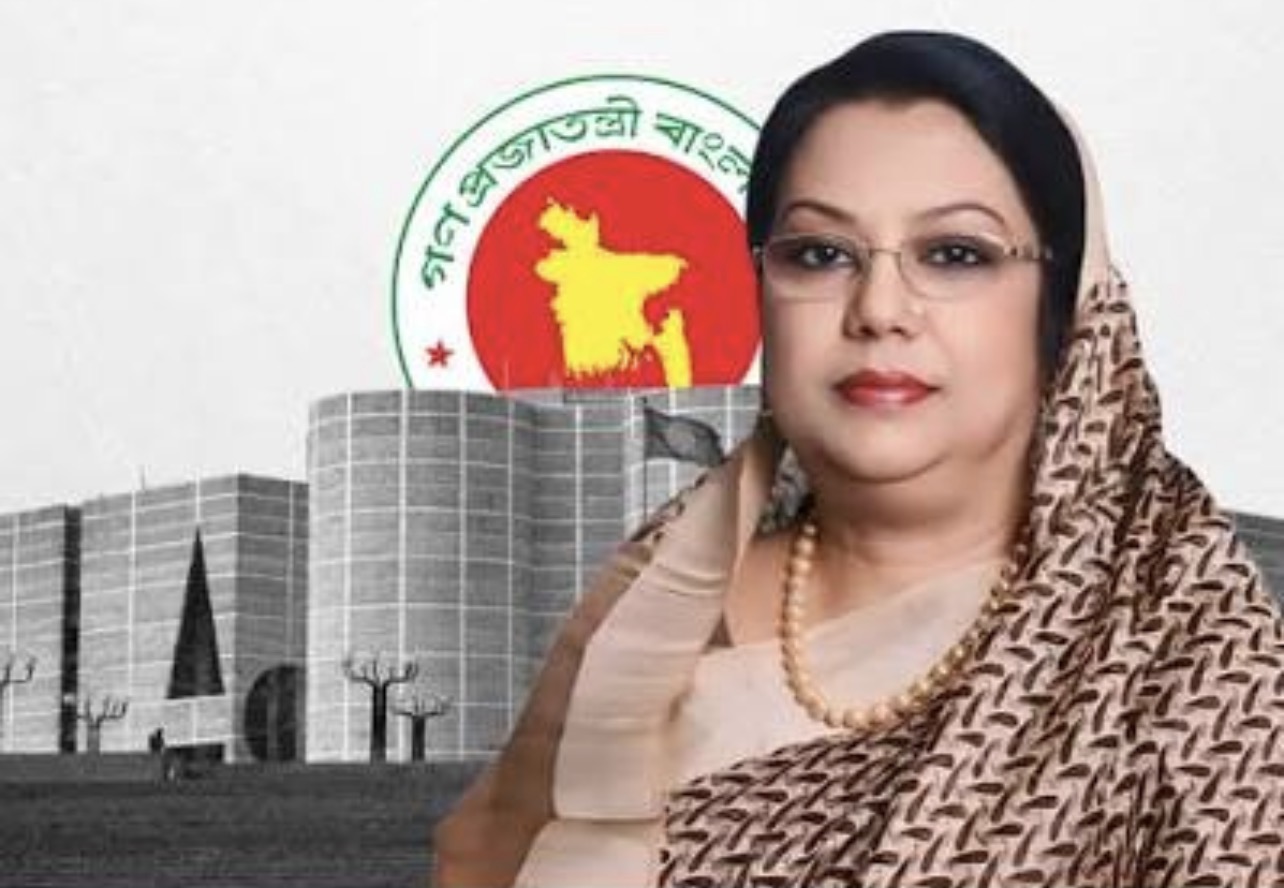
Jatiya Sangsad Speaker Hafiz Uddin Ahmad today said the strong bilateral relationship between Bangladesh and India was forged during the Liberation War of 1971.“India is the closest neighbour of Bangladesh. The Indian government’s support in nominating Bangladesh Foreign Minister Dr Khalilur Rahman for the post of president of the 81st Session of the United Nations General Assembly is a reflection of a cooperative and liberal outlook toward a neighbour,” the Speaker said during the farewell meeting with outgoing Indian High Commissioner to Bangladesh Pranay Verma at his office in parliament.Describing the current parliament as “extremely vibrant”, he noted that the opposition is playing an active role, and emphasised the need to identify areas of cooperation to further strengthen parliamentary ties.In response, Verma said the Parliamentary Friendship Group can play a vital role as a bridge between the two nations, adding that bilateral visits by parliamentary delegations would further advance diplomatic relations.During the meeting, both sides stressed the importance of positive and constructive discussions on economic cooperation, connectivity, and enhancing people-to-people contact.Verma also congratulated Hafiz Uddin Ahmad on his election as Speaker and presented a memento on behalf of the Indian government.Indian High Commissioner meets Deputy SpeakerMeanwhile, Pranay Verma also paid a courtesy call on Deputy Speaker of the Jatiya Sangsad, Kayser Kamal, at his office in parliament.During the meeting, the Deputy Speaker said both countries could benefit diplomatically through the exchange of parliamentary information and expertise.He suggested that strengthening training and experience-sharing programmes between the Indian Lok Sabha and the Jatiya Sangsad would make parliamentary activities more effective.

By Senior Editor 3 weeks ago


You're subscribed!

Latest breaking news will be delivered to your inbox.

Stay Informed

Get breaking news and top stories delivered directly to your inbox. No spam, ever.

Unsubscribe anytime. We respect your privacy.