

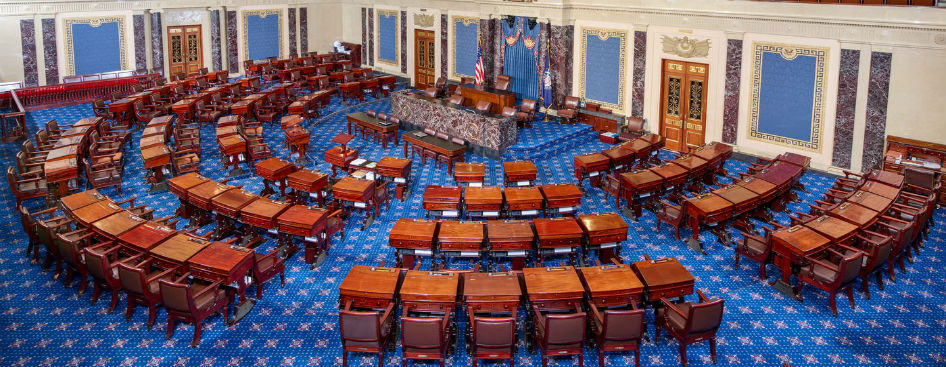
In a closely divided vote, the U.S. Senate approved legislation to overturn a Biden-era mining ban in northern Minnesota, clearing the way for the measure to be sent to President Donald Trump for final approval. The resolution passed by a narrow 50–49 margin, marking a major political victory for supporters of expanded domestic mining and energy development.
The repeal targets a 20-year federal moratorium imposed in 2023 that blocked mineral leasing across more than 225,000 acres of the Superior National Forest, near the protected Boundary Waters Canoe Area Wilderness. The restriction had been introduced by the Biden administration to protect one of America’s most treasured freshwater ecosystems from potential contamination caused by copper and nickel mining.
Supporters of the repeal argue that reopening the region to mining could strengthen the United States’ supply of critical minerals such as copper, nickel, and cobalt, which are essential for electric vehicles, battery production, and national security industries. Republican lawmakers backing the measure said the previous ban harmed economic growth in northern Minnesota and prevented the creation of high-paying union jobs in the region.
Opponents, however, warn that mining in the area could permanently damage the fragile waterways surrounding the Boundary Waters, a wilderness area known for its interconnected lakes, forests, and tourism economy. Environmental groups and Minnesota lawmakers who opposed the bill say the decision could set a dangerous precedent by weakening long-standing protections for public lands.
The legislation now heads to President Trump, who is widely expected to sign it into law. If enacted, the move would revive the possibility of the long-delayed Twin Metals mining project, though the company would still need to secure additional state and federal permits before operations could begin.
The vote highlights the growing national debate between expanding domestic resource production and preserving environmentally sensitive lands — an issue likely to remain at the center of U.S. energy policy in the coming months.