

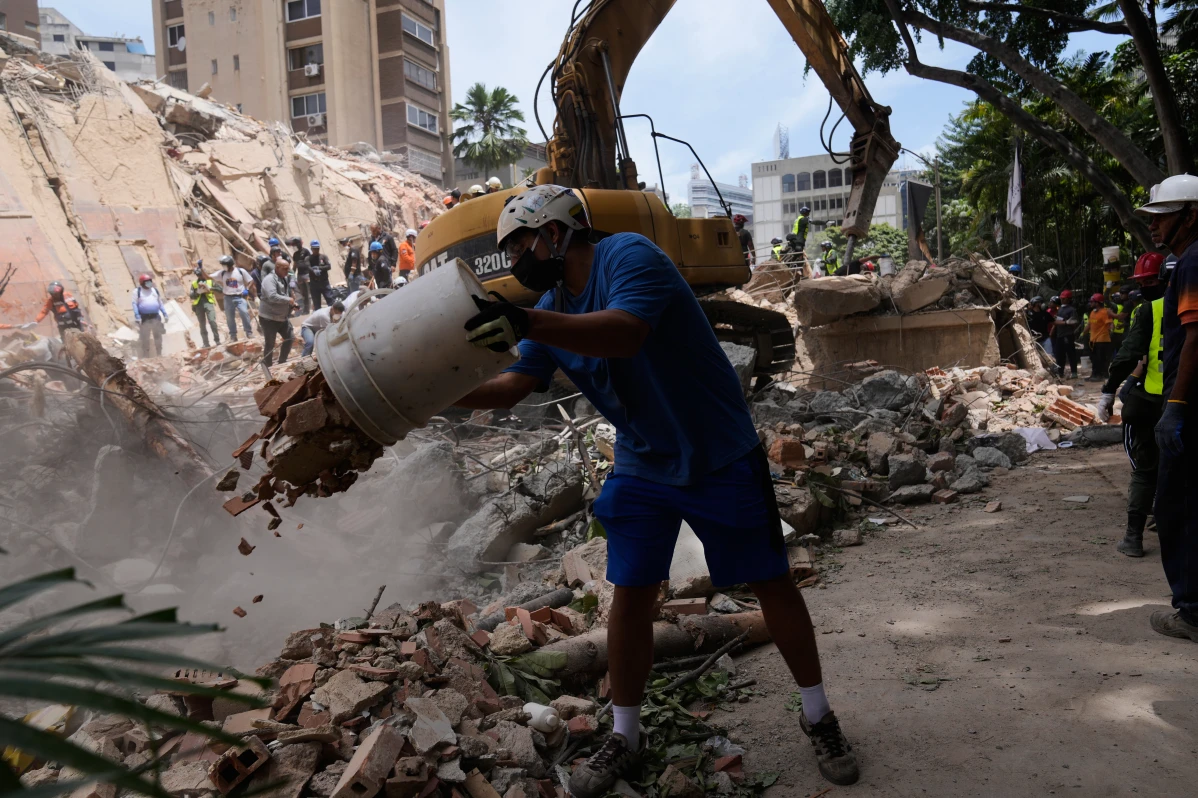
Caracas, Venezuela | June 25, 2026 — Venezuela is grappling with one of the worst natural disasters in its modern history after two powerful earthquakes struck the country’s northern region within less than a minute of each other, causing widespread destruction, hundreds of deaths, and leaving thousands of residents missing.
According to preliminary seismic reports, the first earthquake measured 7.2 magnitude, followed just 39 seconds later by a stronger 7.5 magnitude tremor. The epicenter was located near Venezuela’s northern coast, west of the capital city of Caracas, with the shocks felt across much of the country and neighboring nations.
The coastal state of La Guaira emerged as one of the hardest-hit areas, where apartment buildings, homes, roads, and public infrastructure collapsed into piles of concrete and twisted metal. Several districts in Caracas also suffered severe structural damage, forcing thousands of residents to spend the night outdoors amid fears of aftershocks.
Authorities say the death toll continues to rise as rescue teams search through debris for survivors. Reports indicate that more than 900 people have been confirmed dead, while thousands have been injured and tens of thousands remain unaccounted for. Emergency officials caution that casualty figures could increase significantly in the coming days as rescue operations continue.
The earthquakes triggered widespread power outages, damaged hospitals, disrupted telecommunications, and forced the evacuation of several medical facilities. Schools, sports centers, and public buildings have been converted into temporary shelters for displaced families.
Venezuelan authorities declared a national state of emergency and mobilized military personnel, firefighters, and emergency responders to assist in rescue operations. International aid and specialized search-and-rescue teams from several countries have also begun arriving to support relief efforts and provide humanitarian assistance.
Seismologists noted that the earthquakes occurred along the highly active San Sebastián fault system, one of the country’s most significant seismic zones. Experts describe the back-to-back quakes as among the most powerful to hit Venezuela in more than a century and warn that aftershocks could continue for weeks.
Humanitarian organizations are urging the international community to provide emergency assistance, including medical supplies, temporary shelters, food, and clean drinking water for affected communities. The next 72 hours are considered critical for locating survivors trapped beneath collapsed structures.