

May 2, 2026
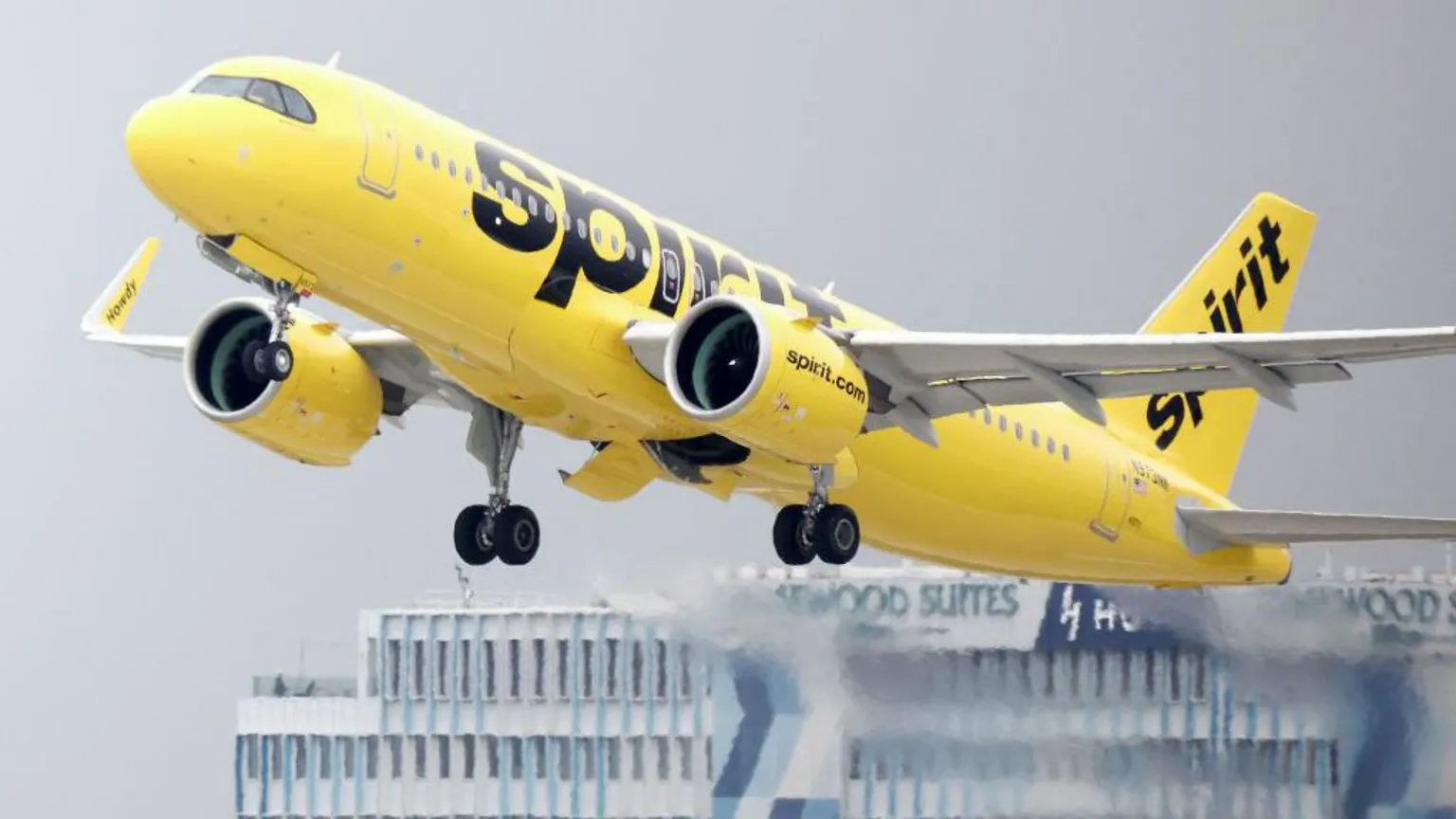
In a dramatic development for the U.S. aviation industry, Spirit Airlines has officially ceased operations, marking the end of more than three decades of service as one of America’s most prominent budget airlines.
The airline announced an immediate shutdown on Saturday after failing to secure a last-minute financial rescue package, including a proposed $500 million government-backed bailout. With no additional funding available and mounting financial pressures, the company said it had “no choice” but to begin an orderly wind-down of its business.
All flights have been canceled, and passengers have been advised not to go to airports. The airline confirmed that refunds will be issued automatically for eligible bookings, while other claims may be processed through bankruptcy proceedings.
Spirit’s collapse follows years of financial instability, including multiple bankruptcy filings since 2024. Industry analysts point to a combination of rising fuel prices, inflationary pressures, and intense competition as key factors behind the airline’s downfall.
The situation worsened recently due to a sharp spike in global oil prices, linked in part to geopolitical tensions in the Middle East. The surge in fuel costs significantly increased operating expenses, making it difficult for the ultra-low-cost business model to remain viable.
Efforts to stabilize the airline—including restructuring plans and potential government intervention—ultimately failed to produce a sustainable solution. Negotiations with creditors and federal officials stalled, leaving the company without the liquidity needed to continue operations.
The shutdown is expected to affect more than 10,000 employees and leave thousands of passengers stranded. Several major airlines, including American and United, have indicated they may assist affected travelers by offering alternative flights or capped fares on certain routes.
Industry experts warn that the disappearance of a major low-cost carrier could reduce competition and lead to higher airfare, particularly on leisure routes where Spirit had a strong presence.
Founded in the early 1980s, Spirit Airlines built its reputation on ultra-low fares and an unbundled pricing model that allowed passengers to pay only for the services they needed. The airline once operated hundreds of daily flights across the United States, Latin America, and the Caribbean, serving millions of cost-conscious travelers each year.
Its closure marks one of the most significant airline shutdowns in recent U.S. history and signals potential challenges ahead for the broader budget airline sector. Analysts say the collapse raises questions about whether ultra-low-cost carriers can survive in an era of volatile fuel prices and shifting consumer preferences.
As the industry absorbs the impact, travelers and competitors alike are bracing for a reshaped aviation landscape—one with fewer low-cost options and potentially higher fares.