

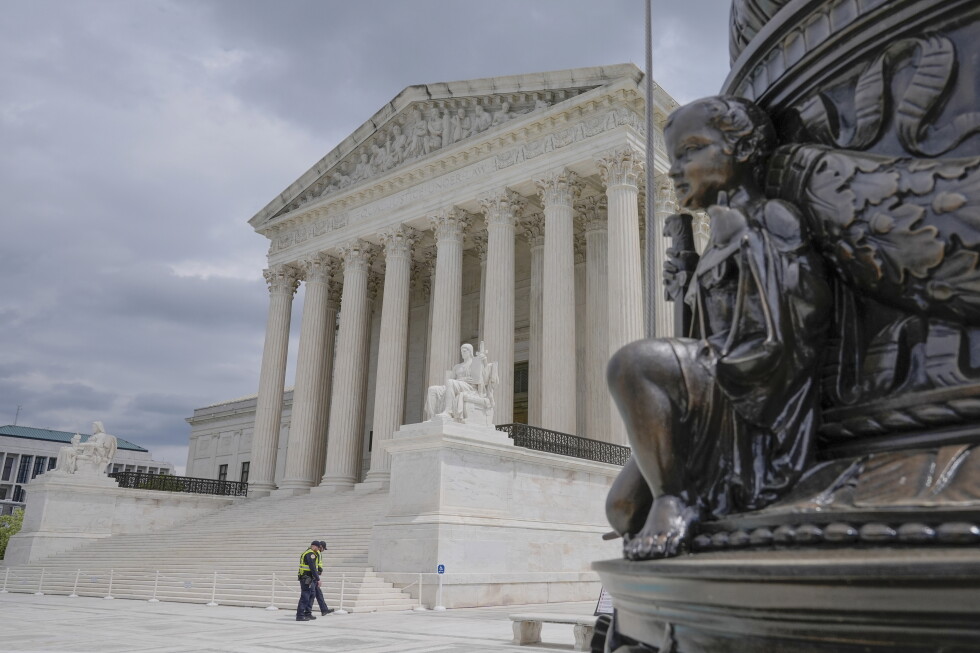
Washington, D.C., June 29, 2026 — The Supreme Court of the United States has issued a series of major rulings that significantly reshape immigration enforcement powers in the United States, affecting Temporary Protected Status (TPS) holders, asylum seekers, and lawful permanent residents across the country.
In multiple 6–3 decisions, the Court strengthened federal executive authority in immigration enforcement under policies advanced by the Trump administration, triggering widespread concern among immigrant communities, legal experts, and advocacy organizations.
One of the most consequential rulings allows the federal government to proceed with ending Temporary Protected Status for nationals from countries including Haiti, Syria, El Salvador, and Somalia.
TPS, created in 1990, grants temporary legal status and work authorization to individuals from countries facing armed conflict, natural disasters, or humanitarian crises. The Court’s decision could impact more than 1.3 million immigrants, many of whom have lived in the United States for years and built families, careers, and communities.
Critics say the ruling effectively removes judicial safeguards that previously prevented abrupt termination of humanitarian protections, raising the risk of mass deportations and job losses in key industries such as healthcare and construction.
In a second major decision, the Court upheld the government’s authority to enforce a “metering” policy at the U.S.–Mexico border, allowing officials to limit or turn away asylum seekers before they physically enter the United States.
The ruling reinterprets key provisions of immigration law, narrowing protections for migrants seeking refuge under U.S. and international asylum frameworks. Border authorities may now restrict the number of asylum claims processed daily, a move critics argue undermines the right to seek protection from persecution.
Human rights advocates warn that the decision could force vulnerable migrants to remain in unsafe conditions in Mexico while waiting for limited entry opportunities.
The Court also ruled in favor of broader executive discretion in handling lawful permanent residents, allowing immigration officers to temporarily strip green card protections based on indictments or accusations rather than final convictions.
Legal analysts say the decision lowers the threshold for government action against immigrants with lawful status, potentially exposing more residents to detention or deportation proceedings without full due process protections.
Together, the rulings reflect a broader judicial trend of deference to executive authority in immigration policy, particularly regarding border enforcement and humanitarian protections.
Supporters of the decisions argue that they restore presidential control over immigration systems and improve border security. Opponents, however, say the rulings weaken constitutional and statutory protections designed to safeguard immigrants from arbitrary enforcement.
Legal experts note that these decisions may also influence upcoming cases, including challenges to birthright citizenship policies and future asylum regulations.
The rulings are expected to have significant political consequences ahead of upcoming federal elections, with immigration once again becoming a central policy issue.
States with large immigrant populations, including New York, California, Florida, and Texas, are likely to experience the most immediate effects through labor shortages, legal challenges, and changes in social service demand.
Community organizations are already preparing for legal aid surges as affected residents seek to understand their rights and potential options for relief.
What Happens Next
Implementation of the rulings will occur over the coming weeks as federal agencies adjust enforcement policies. Legal challenges are expected to continue in lower courts, though the Supreme Court’s decisions significantly limit judicial avenues for blocking federal immigration actions.
For millions of immigrants and residents, the rulings mark a pivotal shift in U.S. immigration law—one that may redefine the balance between humanitarian protection and executive power for years to come.