

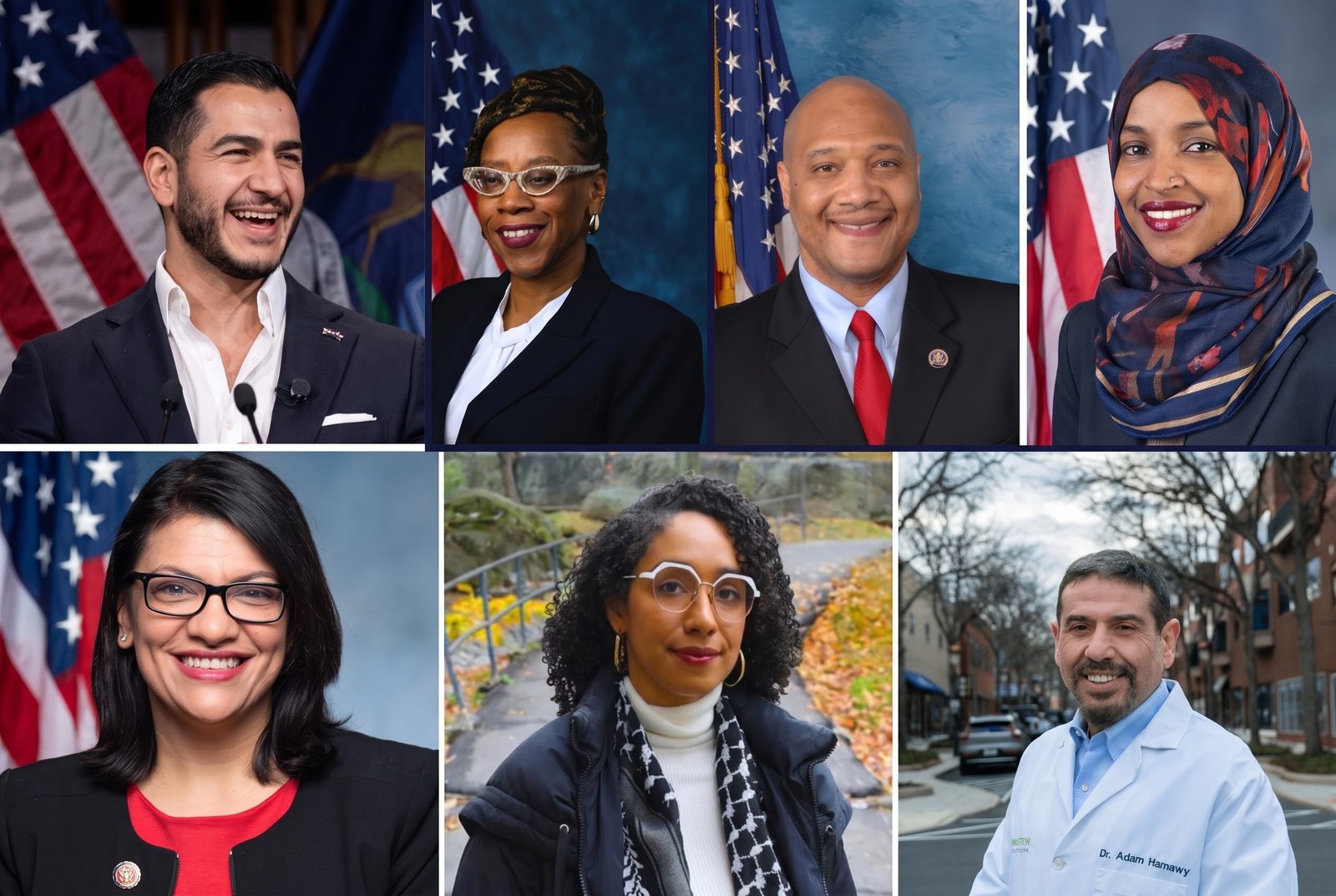
Al Mamun from New Jersey, USA: The 2026 U.S. midterm elections have marked a historic milestone for Muslim-American political representation. From the election of the first Muslim U.S. senator to the victories of Muslim candidates in the House of Representatives, the results reflect a growing presence of Muslim Americans in the nation's political institutions.
According to preliminary election reports published on November 4, 2026, at least seven Muslim candidates have won seats in the U.S. Congress—one in the Senate and six in the House of Representatives.
Who Are the Muslim Winners?
The following seven winners are reported in the U.S. Congress.
1. Abdul El-Sayed — U.S. Senate, Michigan
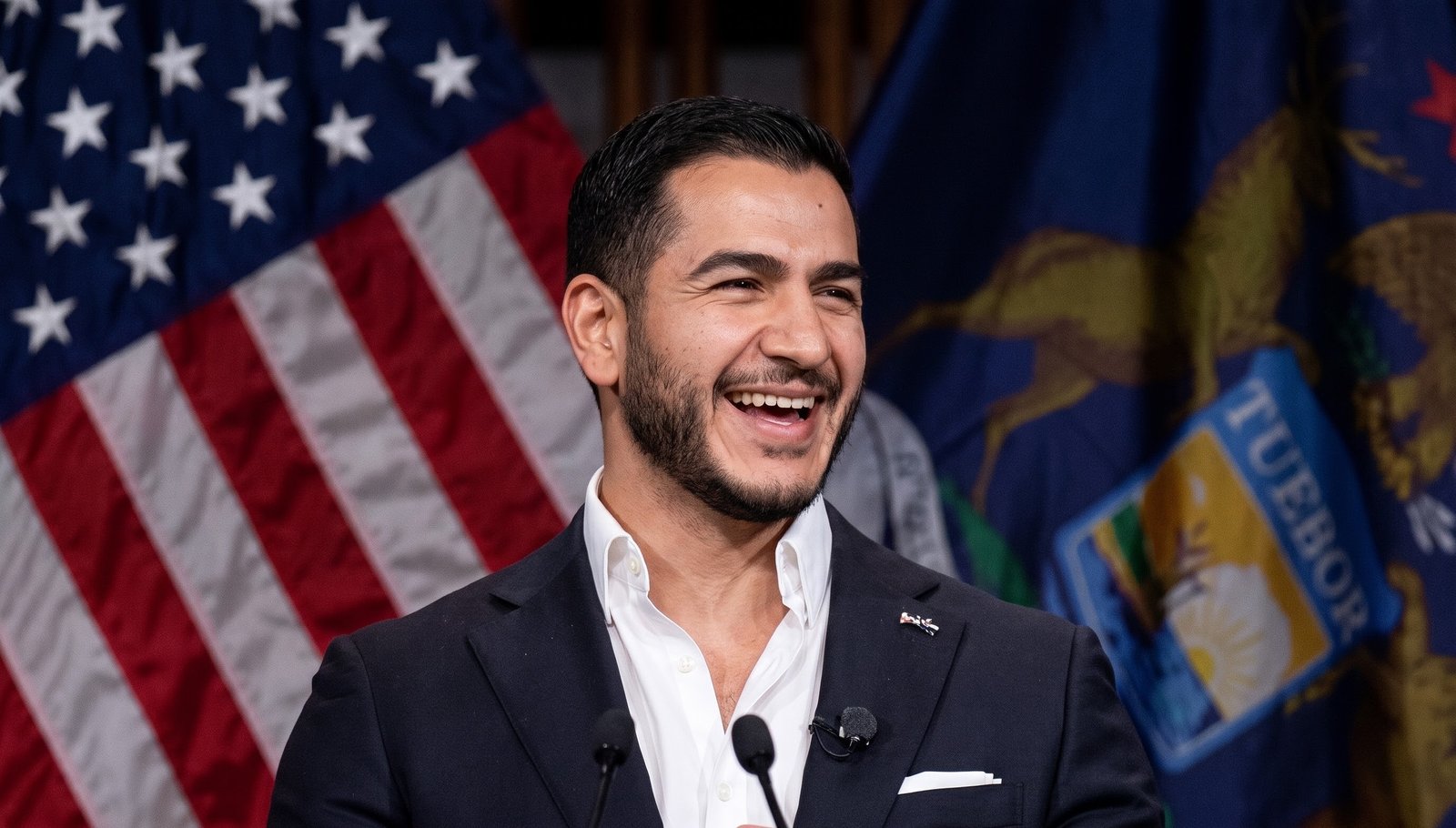
The 42-year-old Democrat defeated Republican Mike Rogers, becoming the first Muslim elected to the U.S. Senate. A physician and former public health official, he campaigned on healthcare, affordability and reducing corporate influence.
2. Adam Hamawy — U.S. House, New Jersey's 12th District

A Democrat, physician and former U.S. Army combat surgeon, Hamawy defeated Republican Gregg Mele. He becomes the first Muslim elected to represent New Jersey in Congress.
3. Darializa Avila Chevalier — U.S. House, New York's 13th District
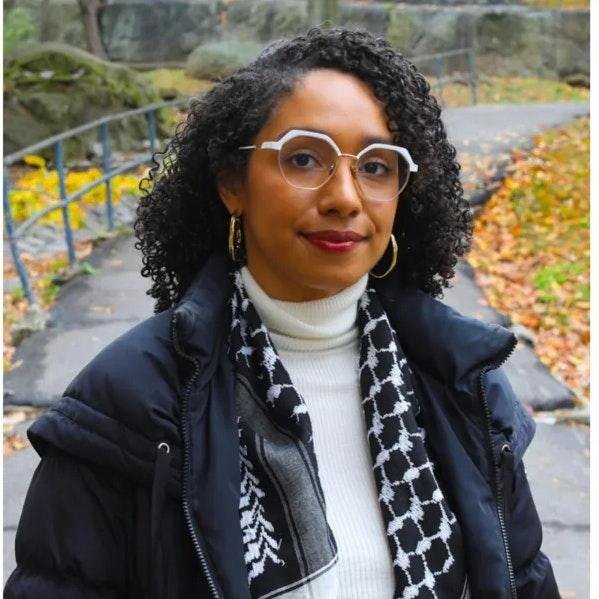
A civil rights investigator and community organizer, Chevalier won the congressional seat after defeating longtime incumbent Adriano Espaillat in the Democratic primary.
4. Rashida Tlaib — U.S. House, Michigan's 12th District
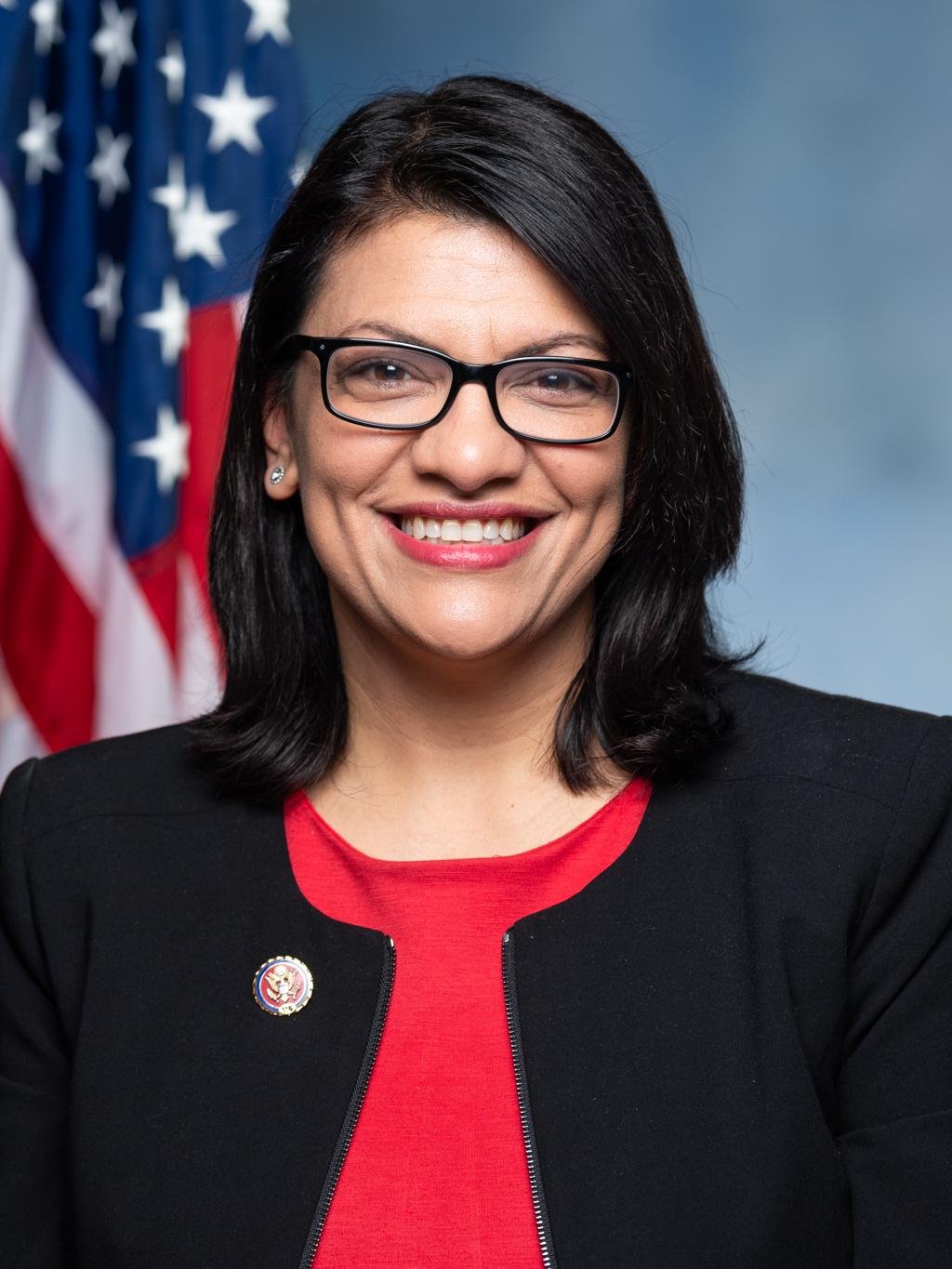
The Palestinian-American congresswoman secured another term. She remains a prominent advocate for Palestinian rights, civil liberties and working-class communities.
5. Ilhan Omar — U.S. House, Minnesota's 5th District
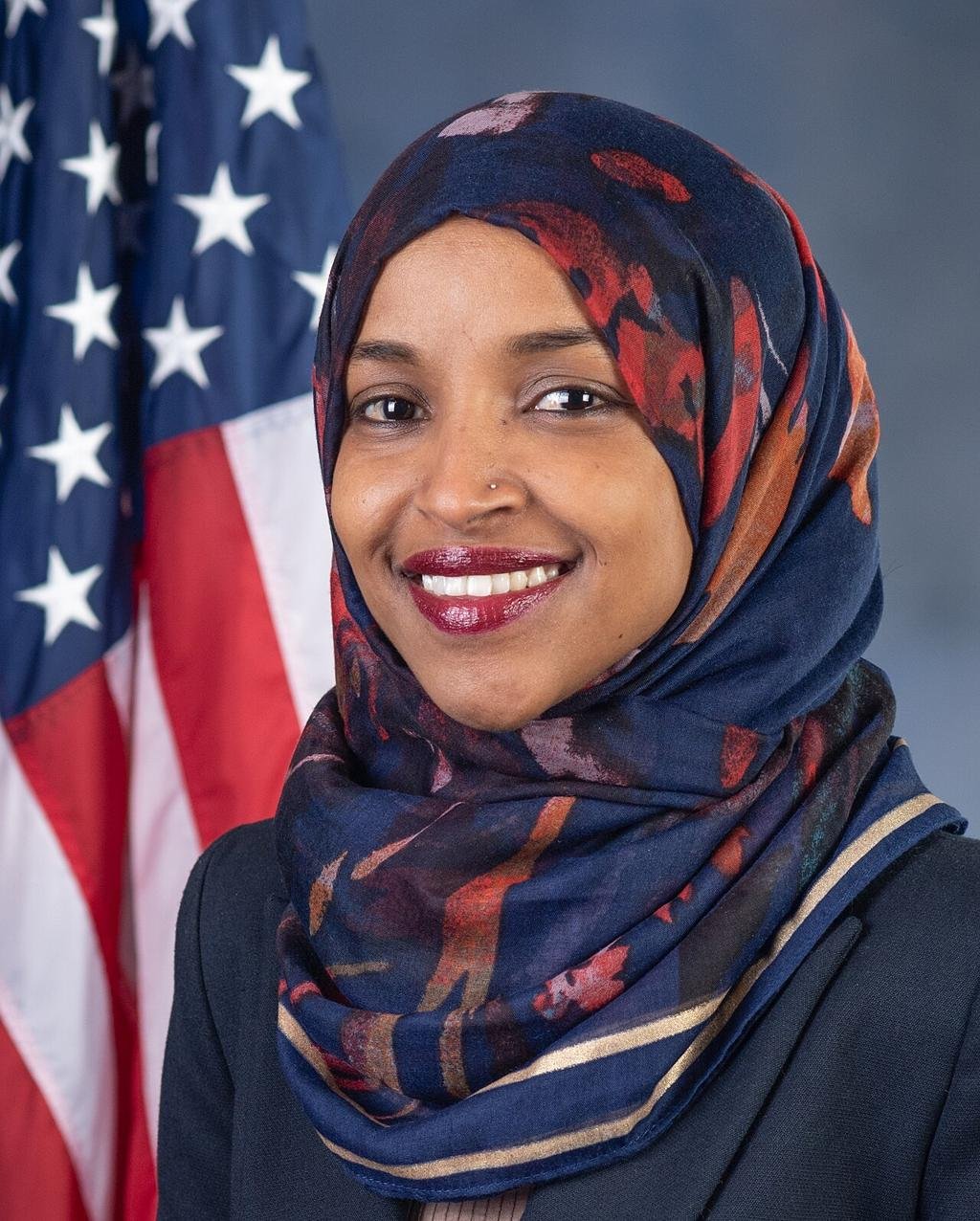
The Somali-American congresswoman won reelection for a fifth term. First elected in 2018, Omar remains one of the most prominent Muslim-American political figures in the country.
6. André Carson — U.S. House, Indiana's 7th District

Carson retained his Indianapolis-based congressional seat. First elected in 2008, he is the longest-serving Muslim member of the U.S. House.
7. Lateefah Simon — U.S. House, California's 12th District
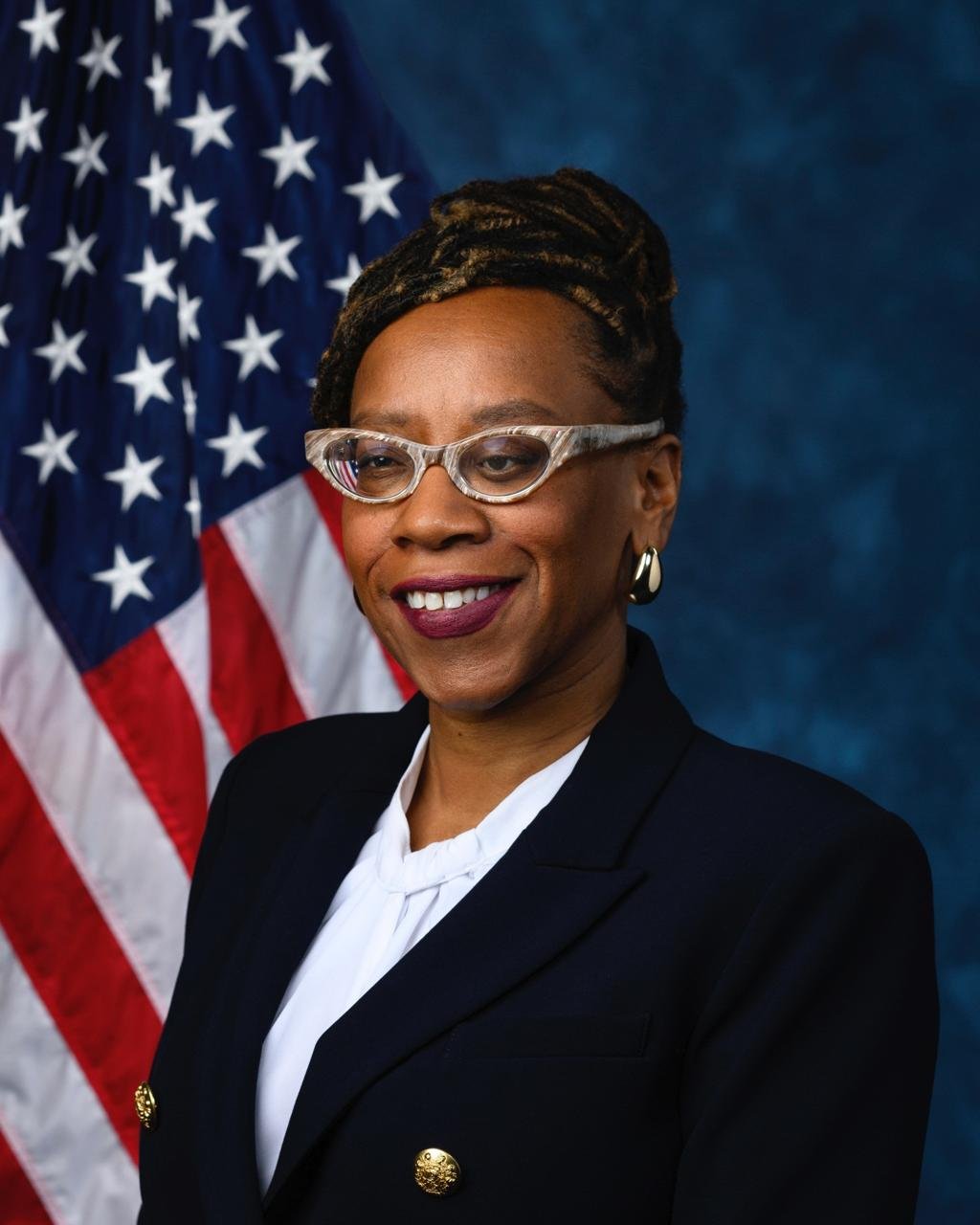
The civil rights activist won reelection in the East Bay area of California, continuing her work in Congress on civil rights and social justice.
Muslim Victories in State Legislatures
Beyond the federal Congress, Muslim candidates also achieved notable victories in state legislatures.
Aber Kawas — New York State Senate: A Palestinian-American community organizer, she made history as the first Palestinian-American Muslim woman elected to the New York State Legislature.
Nabeela Syed — Illinois State Senate: The Muslim-American Democrat won Illinois' 26th State Senate District.
These two state-level victories bring the reported total to at least nine Muslim winners across the federal and state legislatures, based on preliminary reporting.
A Historic Moment for Muslim-American Representation
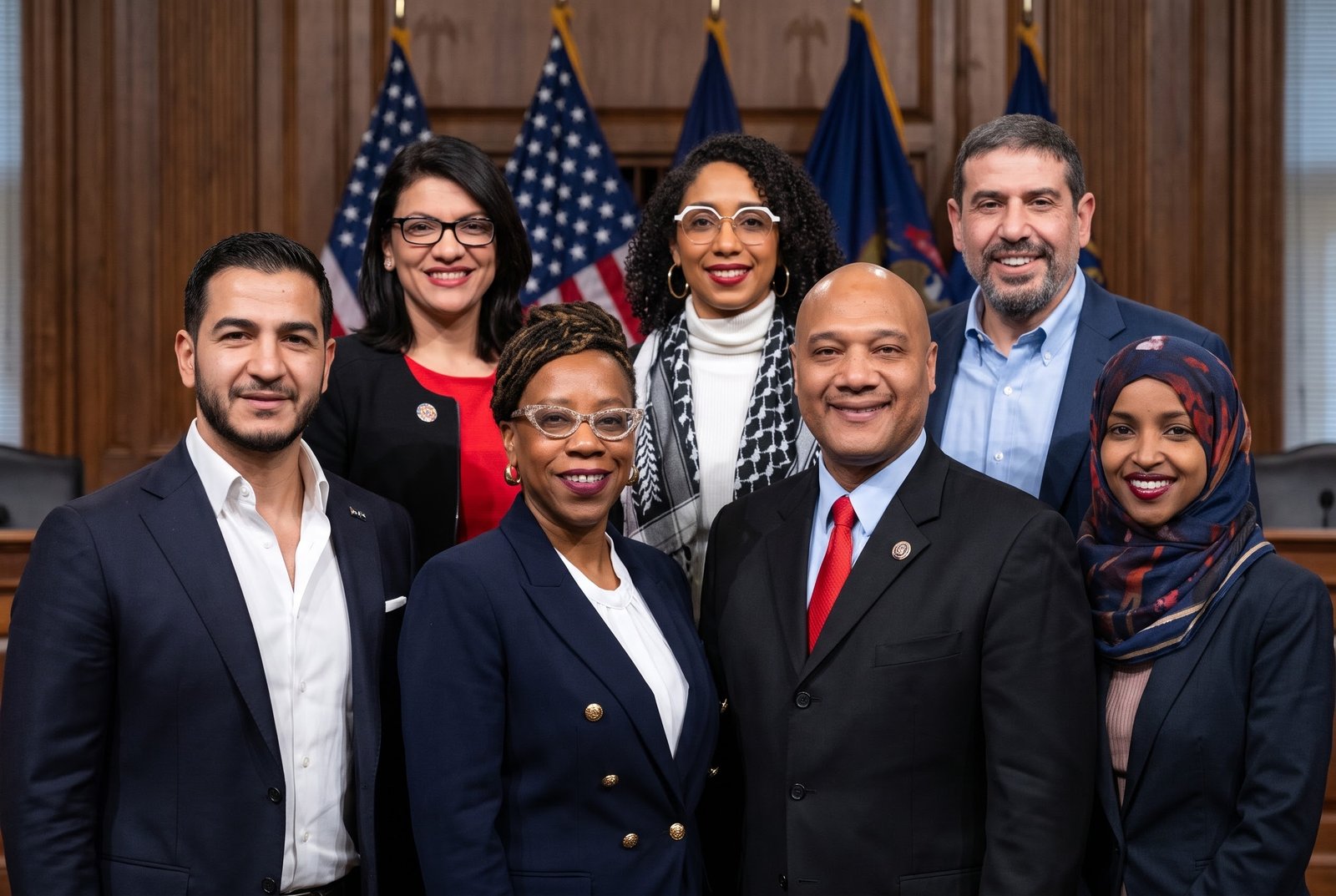
The election of Abdul El-Sayed as the first Muslim U.S. senator represents a particularly significant breakthrough. For the first time, Muslim Americans will have a representative in the Senate, alongside their continued presence in the House.
The victories of Hamawy and Chevalier also demonstrate the growing political influence of Muslim and immigrant communities in states such as New Jersey and New York.
Meanwhile, the reelection of Omar, Tlaib, Carson and Simon reflects the continued support for established Muslim-American lawmakers.
Together, these victories mark an important chapter in the evolution of American democracy. They demonstrate that Muslim Americans are increasingly participating in the nation's political process—not only as voters and community advocates, but also as elected representatives shaping national policy.
The 2026 midterm elections will be remembered as a landmark moment for Muslim-American political representation, with at least seven Muslim members of Congress and additional victories in state legislatures.
Editorial Disclaimer: The information regarding the victory of the respective candidates has been reported based on preliminary projections and unofficial results from various international media outlets. This tally can only be officially confirmed once the election authorities declare the final and certified results.