

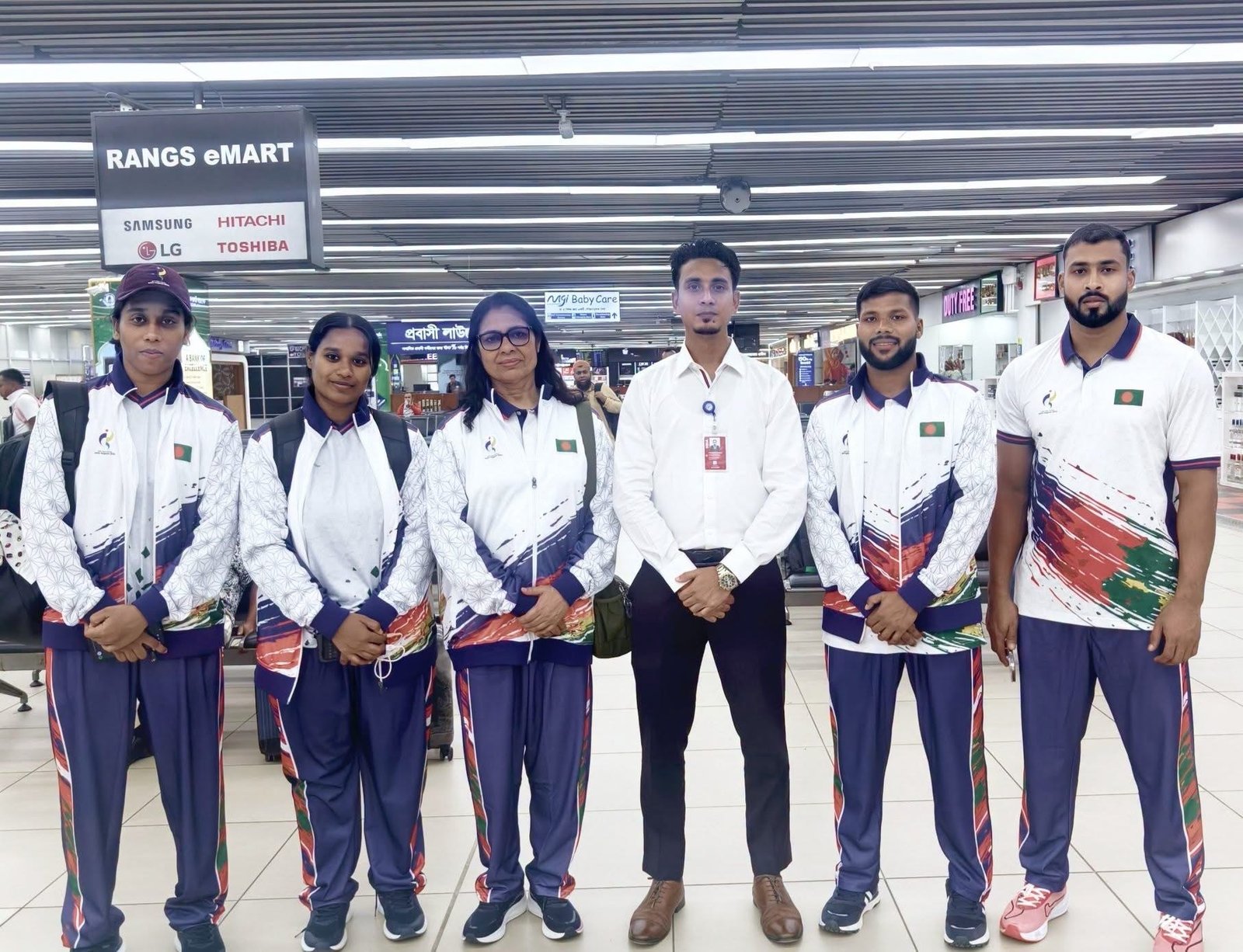
Al Mamun, From USA — Efforts to improve passenger services at Hazrat Shahjalal International Airport are receiving renewed attention as Nawshad Khan, Airport Executive Magistrate (Senior Assistant Secretary), resumes an active role in addressing travelers’ concerns alongside the airport team.
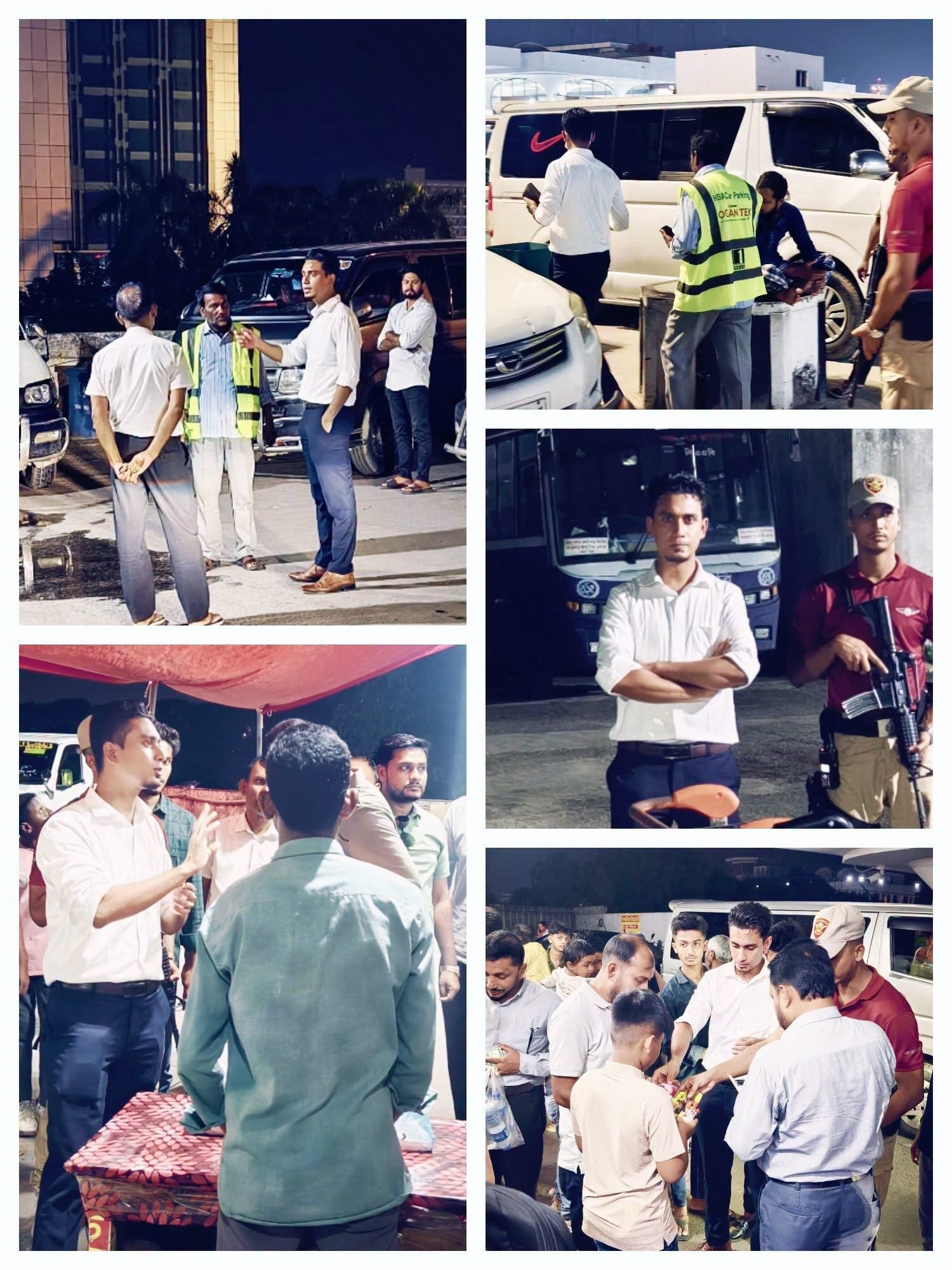
Known for his earlier efforts to improve the airport experience, Khan is once again focusing on practical measures to reduce passenger hardship, address service-related complaints, and strengthen accountability. His renewed involvement has raised hopes that coordinated action by airport officials and relevant authorities will make traveling through Bangladesh’s principal international gateway more convenient and less stressful.
Speaking to US Bangla Tribune over the phone, Khan emphasized that improving airport services is not the achievement of one individual but the result of collective effort, institutional support, and effective leadership.
“This is not just my success. This is a team success,” was the central message he conveyed during the conversation, highlighting the contributions of his colleagues and the authorities supporting their work.
24/7 Executive Magistrate Services for Passengers
As part of efforts to protect passenger rights and improve accountability at Hazrat Shahjalal International Airport, four Executive Magistrates are reportedly working in rotating shifts to provide round-the-clock (24/7) services.
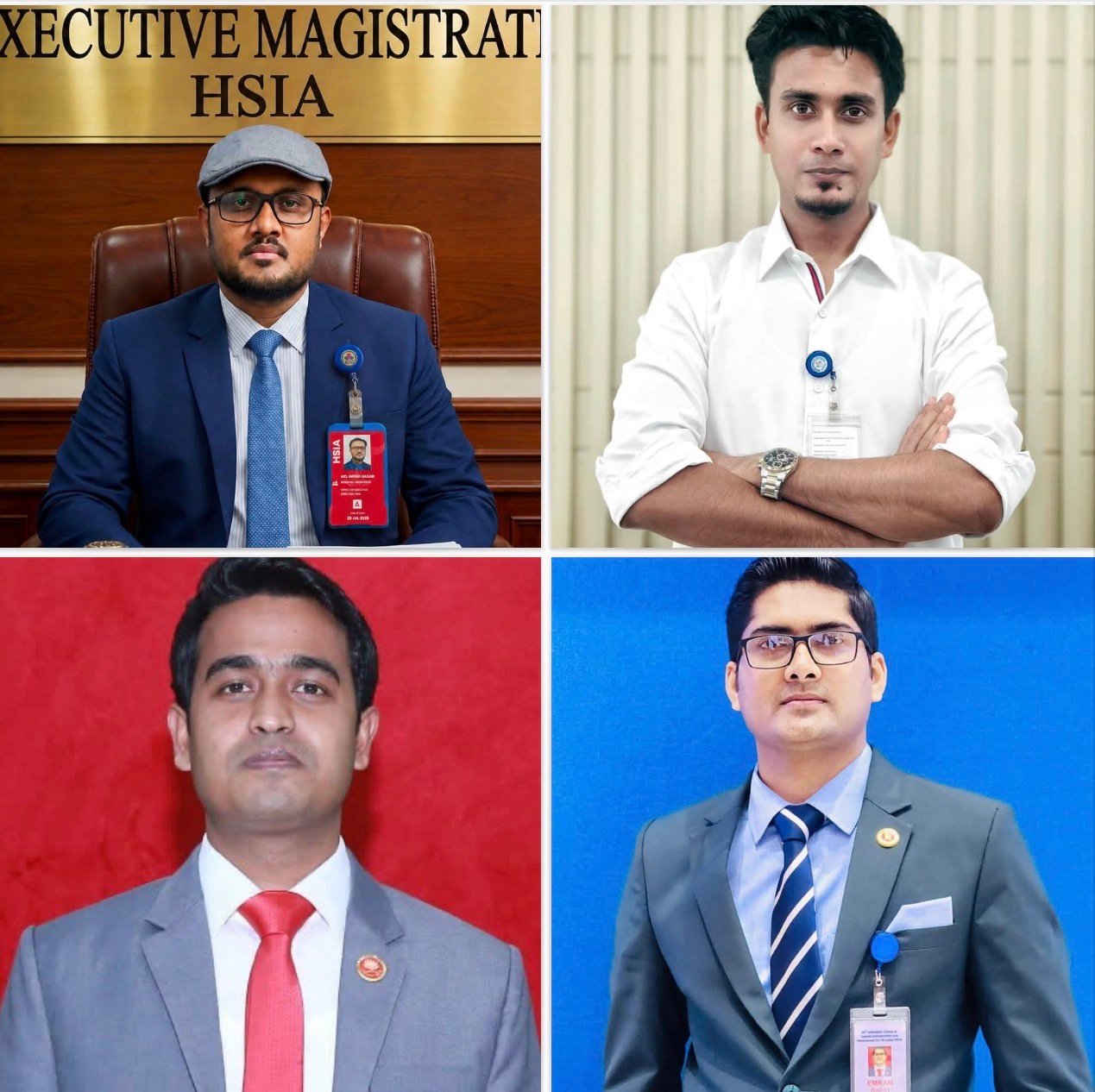
Passengers whose legal rights have been violated or who experience harassment at the airport can submit complaints directly to the Airport Executive Magistrate Court, located near Gate No. 1 of Terminal 1.
Passengers can also report complaints by calling or sending a WhatsApp message to the following number or by contacting the office via email:
Mobile/WhatsApp: +880 1304-050603
These complaint channels are intended to make it easier for travelers to seek assistance when facing harassment, violations of their rights, or other problems requiring official intervention.
The Executive Magistrate team aims to help protect passenger rights, prevent offenses, and support the delivery of appropriate services. Ensuring that these channels remain accessible and that complaints receive timely responses will be important to building passenger confidence and promoting a safer, more accountable airport environment.
Teamwork and Institutional Support at the Heart of Improvements
During the phone conversation, Khan emphasized the importance of recognizing the contributions of the entire airport team rather than focusing on his individual role.
He explained that meaningful improvements require the collective efforts of officials and personnel working to resolve passenger complaints and improve service delivery. According to Khan, coordination, shared responsibility, and support from the relevant authorities are essential to achieving lasting results.
He also acknowledged the continuous support and guidance of the Ministry of Civil Aviation and Tourism, describing them as essential to the team’s ability to implement improvements.
His remarks underscore the complexity of airport management, where better passenger services depend on cooperation among administrative officials, airport management, operational teams, and enforcement authorities.
For travelers, the ultimate measure of these efforts will be visible improvements in everyday services, including the availability of luggage trolleys, efficient baggage handling, fair treatment, and the prompt resolution of complaints.
Recognizing Airport Leadership
Khan also spoke highly of Group Captain Ragib Samad, Executive Director of Hazrat Shahjalal International Airport, acknowledging his guidance and support as important factors in implementing changes.
According to Khan, the executive director’s assistance and guidance have been remarkable. He emphasized that implementing improvements would be difficult without the executive director’s support.
The acknowledgment highlights the importance of effective airport leadership in translating service-improvement initiatives into practical action. Coordination, guidance, and institutional backing are essential to addressing persistent challenges and ensuring that improvements benefit passengers.
Airport Leadership Acknowledges Passenger Service Challenges
In a separate conversation with US Bangla Tribune, Group Captain Ragib Samad, Executive Director of Hazrat Shahjalal International Airport, acknowledged the overall shortcomings in passenger services at the country’s principal international gateway.
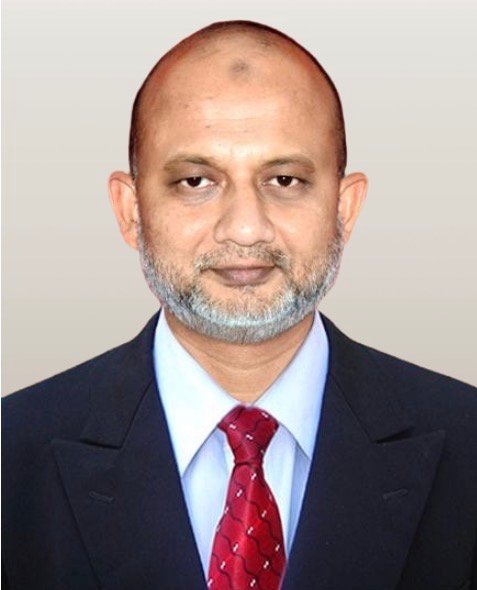
Samad explained that the significant increase in passenger numbers has placed considerable pressure on the airport’s existing infrastructure, making passenger management increasingly challenging. He acknowledged that the current facilities are struggling to accommodate the growing volume of travelers and their service needs.
However, he emphasized that airport authorities are working diligently to address these challenges and improve the overall passenger experience. He added that many infrastructure-related difficulties are expected to be resolved once Terminal 3 becomes fully operational.
His remarks highlight the scale of the challenges facing airport management and underscore the importance of infrastructure development, effective coordination, and sustained efforts to improve passenger services. While the planned terminal expansion is expected to ease some of the existing pressure, continued attention to day-to-day operations and passenger needs remains essential.
Addressing Trolley and Baggage Problems
In a recent Facebook post, Khan outlined initiatives aimed at improving passenger services and reducing travelers’ difficulties. He expressed hope that the collective efforts of the airport team would help ease passengers’ hardships.
He specifically noted that the Civil Aviation Authority of Bangladesh and airport authorities were working to address problems involving luggage trolleys and baggage services.
The availability of trolleys and efficient baggage handling can significantly affect the arrival and departure experience, particularly for families with children, elderly passengers, and travelers carrying multiple pieces of luggage.
Coordinated action by airport management and the relevant authorities will be necessary to ensure that improvements are sustained and passengers can access essential services when they need them.
Monitoring and Mobile Courts to Protect Passenger Rights
Khan also highlighted monitoring activities and mobile court operations as measures intended to prevent misconduct and protect passengers’ rights.
He expressed the expectation that effective monitoring and prompt enforcement would help prevent irregularities and strengthen accountability.
Effective oversight, appropriate enforcement, and coordination among the responsible agencies can contribute to a fairer and more orderly airport environment. Consistent implementation will be essential to ensuring that these measures produce meaningful benefits for travelers.
Building on Earlier Progress
The renewed efforts bring fresh attention to the need for consistent, passenger-focused airport management. Khan’s earlier work at the airport had made a difference, and his renewed involvement offers an opportunity to build on that experience through coordinated action.
However, as Khan emphasized, sustainable progress depends on more than one person’s initiative. It requires continued ministry support, effective airport leadership, and the collective commitment of the personnel responsible for daily operations and passenger services.
He also expressed optimism that some services commonly available in developed countries could soon be introduced in Bangladesh, reflecting ambitions to improve airport facilities and bring the passenger experience closer to international standards.
The Real Test: A Better Experience for Passengers
For travelers, the success of these initiatives will ultimately be measured by practical results: readily available luggage trolleys, more efficient baggage services, stronger monitoring, fair treatment, and prompt action when problems arise.
The renewed efforts involving Nawshad Khan and the airport team, supported by the Ministry of Civil Aviation and Tourism and guided by airport leadership, offer an opportunity to address persistent concerns through a coordinated approach.
While airport authorities acknowledge that infrastructure constraints remain a significant challenge, the anticipated opening of Terminal 3 offers hope for improved capacity and more efficient passenger management. In the meantime, consistent attention to existing service problems will remain critical to easing travelers’ difficulties.
US Bangla Tribune will continue to follow developments concerning airport management and passenger services at Hazrat Shahjalal International Airport. The focus will remain on whether ongoing efforts translate into visible, measurable, and lasting improvements for travelers.