

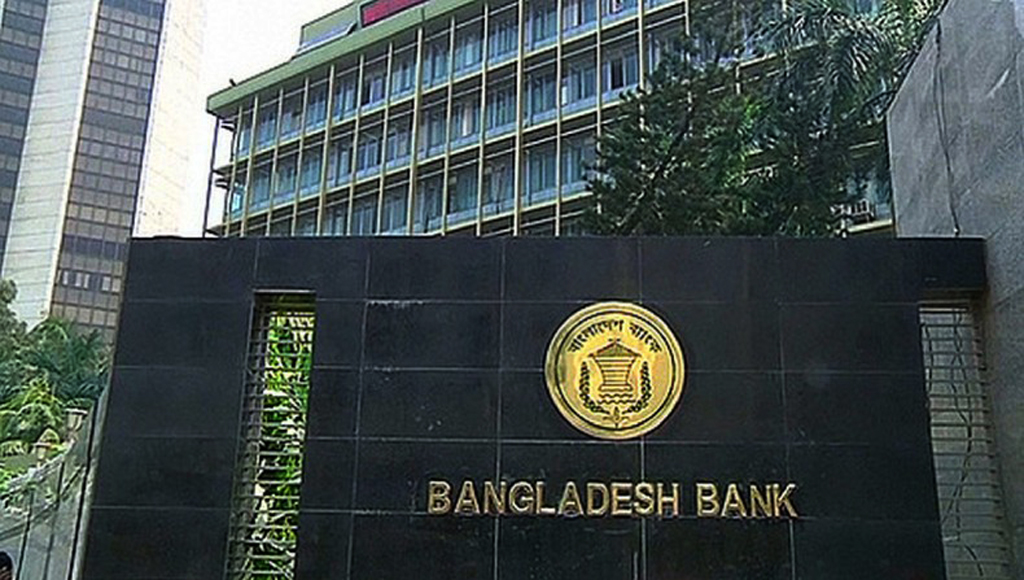
Bangladesh Bank issued a circular on Tuesday, 24 June 2026, to chief executives of all scheduled banks introducing a "Non-Resident Exchangeable Taka Account" through Offshore Banking Units, allowing expatriate Bangladeshis to invest remittances with unrestricted access to their funds and earnings.
How to open and fund the account
Non-resident Bangladeshis can open savings, current, or fixed-term deposit accounts against foreign currency remitted through legal banking channels. These accounts can receive remittances, transfers from other non-resident accounts, accrued interest or profits, and income from approved investments or the stock market in Bangladesh.
The defining feature is full repatriation freedom: account holders can transfer both their deposited funds and earned profits abroad at any time without restrictions, according to Bangladesh Bank.
What you can invest in and borrow against
Funds may be used within Bangladesh for Foreign Direct Investment, portfolio investments, local payments, and transfers to other foreign currency accounts. Account holders may also use the balance as collateral to obtain loans from local banks for personal or business purposes.
The policy permits lending in local currency to Type-A industrial enterprises in special economic zones administered by BEZA, BEPZA, and BKEPZ, but only for operational expenses such as salaries, wages, and utility bills. Loans must be repaid through export earnings. Use of funds for agriculture, plantation projects, and housing sector investments is prohibited, though funds may be used for purchase of residential properties and non-repatriable investments.
Why Bangladesh is reshaping remittance rules
Bangladesh Bank states the initiative aims to maximize utilization of remittances through formal banking channels and expand offshore banking operations. Remittances are a major source of foreign exchange for Bangladesh, and the formal banking channel is the official route for legal money transfers.
Banking sector analysts believe the initiative will make Bangladesh's remittance management system more dynamic and create new investment opportunities for expatriate Bangladeshis. They also expect the policy to improve liquidity management for industries operating in the country's special economic zones.
The new account structure removes previous barriers to moving capital and profits, potentially reshaping how diaspora wealth flows into and out of the country.