

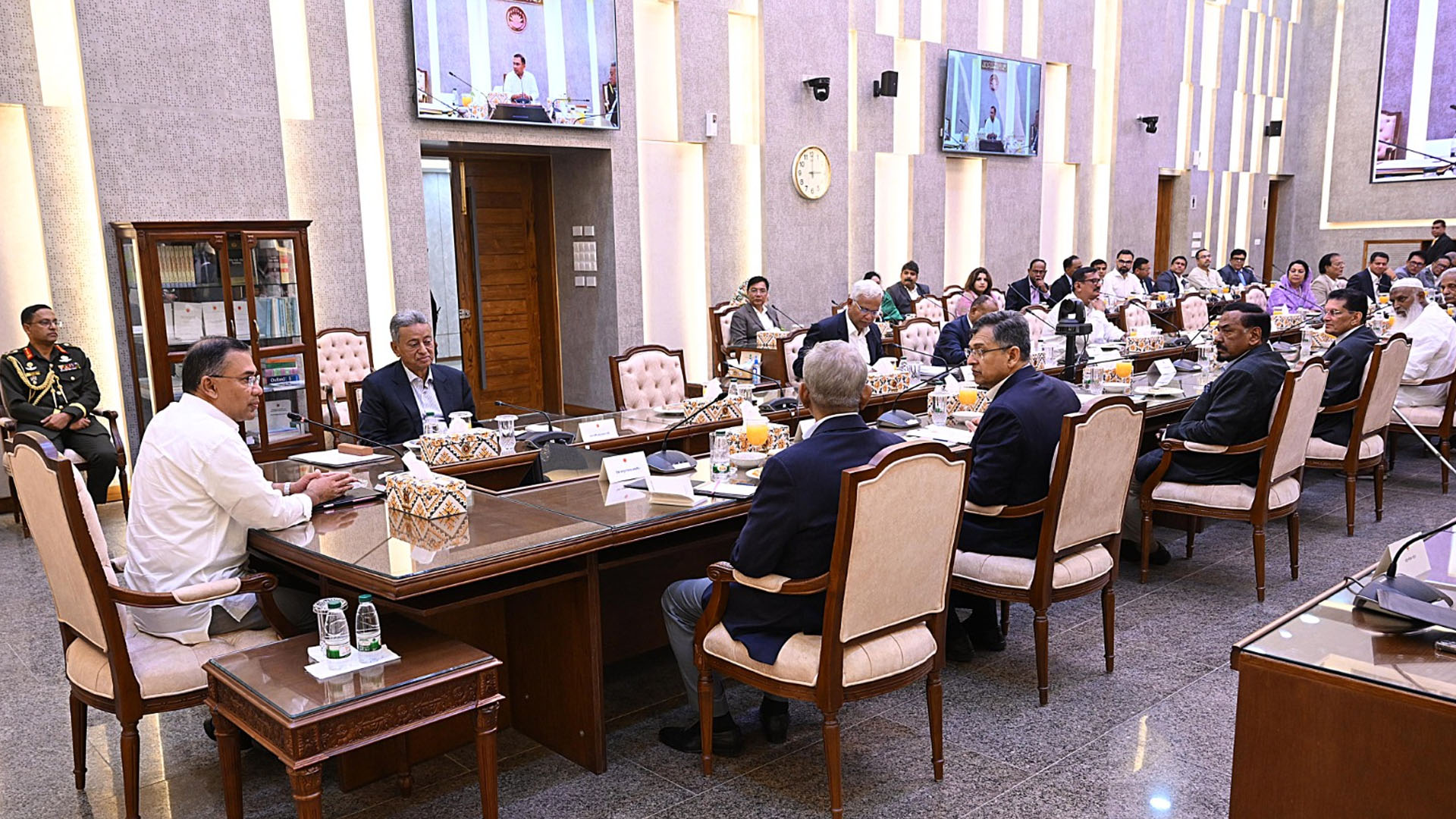
The government is strengthening initiatives to utilize the knowledge, skills, and international experience of Bangladeshi expatriates in the country's development process, according to relevant sources.
The move marks a broader effort to look beyond remittances — long the most visible contribution of overseas Bangladeshis — toward structured engagement of the diaspora's professional expertise.
London Launch of "Bridge to Bangladesh"
A report by the state news agency Bangladesh Sangbad Sangstha (BSS) said that a recent initiative titled "Bridge to Bangladesh" was launched in London to engage members of the diaspora in national development efforts.
London is home to one of the largest concentrations of Bangladeshi professionals outside South Asia, making it a natural starting point for outreach. The initiative aims to connect expatriates with opportunities to contribute to sectors where their international experience could add value.
Officials involved in the initiative noted that expatriates can contribute not only through remittances but also by sharing knowledge, technology, and policy advice. In this regard, emphasis is being placed on involving skilled professionals living in countries such as the United States and the United Kingdom.
A National Diaspora Policy in Progress
Meanwhile, work is progressing on a national diaspora policy aimed at ensuring greater participation of overseas Bangladeshis. The policy is expected to create mechanisms to integrate their investment, expertise, and experience more effectively into the country's development activities.
A diaspora policy typically provides a formal framework for how a country engages citizens living abroad — covering areas such as investment facilitation, knowledge transfer, dual citizenship provisions, and channels for professional contribution. For Bangladesh, where millions of citizens live and work overseas, such a policy could help coordinate efforts that are currently scattered across multiple ministries.
Although no specific statement has been issued on this matter, the government's top leadership has emphasized economic recovery, good governance, and institutional reform. Analysts say this policy direction signals openness to leveraging the global expertise of the Bangladeshi diaspora.
Why Structured Engagement Matters
Experts believe that creating structured platforms and transparent frameworks for expatriate engagement could enable them to play a significant role in economic growth, governance, and human resource development.
Bangladesh has long been among the world's top recipients of remittances, with annual inflows regularly exceeding $20 billion in recent years. However, experts have often pointed out that the country has not yet fully tapped the intellectual and professional capital of its diaspora — which includes academics, engineers, doctors, scientists, and business leaders across the globe.
The emphasis on knowledge sharing comes at a time when the country is navigating economic headwinds and seeking pathways to sustained growth. By creating formal channels for diaspora participation, the government aims to convert individual goodwill and expertise into coordinated national contribution.
Whether the national diaspora policy delivers concrete results will depend on implementation, analysts caution. But the direction itself — moving from remittance reliance toward a broader partnership with overseas Bangladeshis — reflects a recognition that the diaspora represents more than a source of foreign currency.