

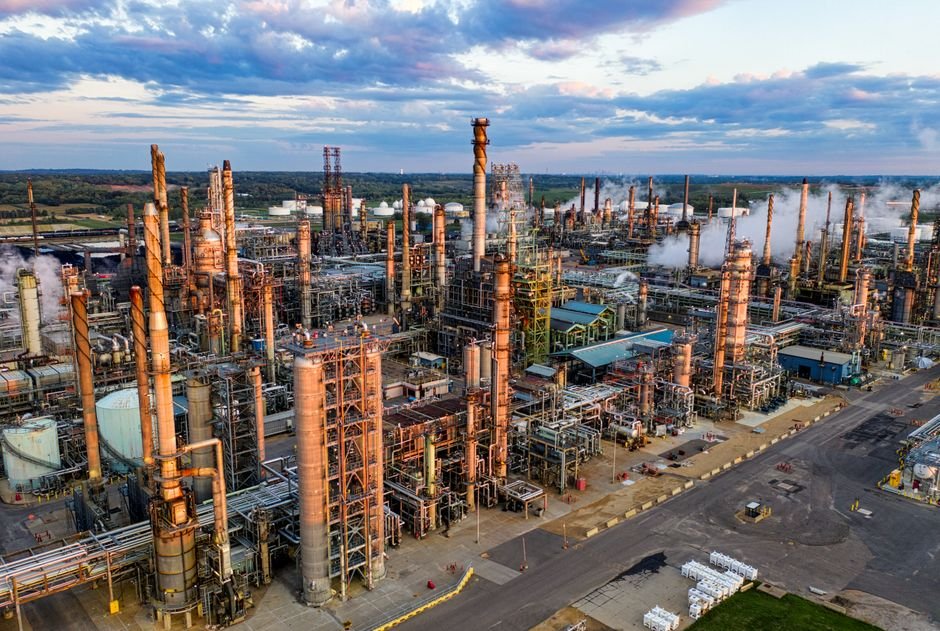
Brent crude oil price rose to above $110 a barrel on Thursday, up $1.15 or 1.06 percent, as attacks on Saudi Arabia and shipping routes threatened to disrupt global energy supplies heading into winter, according to The Times of India.
West Texas Intermediate crude was trading at $98.05, up 90 cents or 0.93 percent. The climb reflects growing concerns over energy security in the Middle East and its ripple effects on heating and fuel costs for working families and immigrants already struggling with winter expenses.
What triggered the price spike
Yemen's Iran-aligned Houthis launched a series of attacks on Wednesday that prompted the US State Department to order diplomats and their family members to leave American missions in Saudi Arabia, according to The Times of India. At least one person was killed and eight others wounded in an attack on a civilian airport in Dammam, and a drone strike on a Saudi oil field killed two people.
The violence extended beyond land-based targets. Kpler data showed at least 18 attacks on shipping over the past two weeks, with LSEG analysts warning that Iran was targeting tankers in the Gulf of Oman and beyond the Strait of Hormuz, jeopardizing crude loadings and ship-to-ship transfers that support regional oil markets, according to The Times of India.
Explosions were also reported in Sirik in southern Iran on Wednesday, though Iranian media said the nature and origin of the blasts were unknown, according to The Times of India.
How US emergency reserves are being deployed
The Trump administration announced Wednesday that it is offering to loan up to nearly one-third of the US emergency heating oil reserve—which holds one million barrels—to try to contain prices that have risen amid diesel shortages linked to wars in Iran and Ukraine, according to The Times of India. The Department of Energy made the move as the administration seeks to stabilize prices heading into winter.
US crude inventories fell by 3.06 million barrels last week to 412.5 million barrels, a steeper decline than the 820,000-barrel draw analysts expected, according to data released Wednesday by the US Energy Information Administration and reported by The Times of India. That tightening inventory picture contrasts with distillate stockpiles, which include diesel and heating oil: these rose by 1.68 million barrels to 104.3 million barrels during the week, when analysts had forecast a fall of 1.16 million barrels.
Iran's response and the broader standoff
Iran's leadership issued fresh statements amid escalating tensions. Foreign Minister Abbas Araqchi told the Financial Times that "Iran was fully prepared to defend itself." President Masoud Pezeshkian told state media that "the US could not expect dialogue while blockading and threatening Iran," according to The Times of India.
Separately, Russian President Vladimir Putin met US Special Envoy Steve Witkoff in St. Petersburg on Wednesday to discuss ending the war in Ukraine. The Kremlin said Putin had agreed to resume US-mediated peace talks with Ukraine as soon as next month, according to The Times of India. A settlement in Ukraine could eventually affect energy markets if it reduces supply disruptions linked to the conflict.