

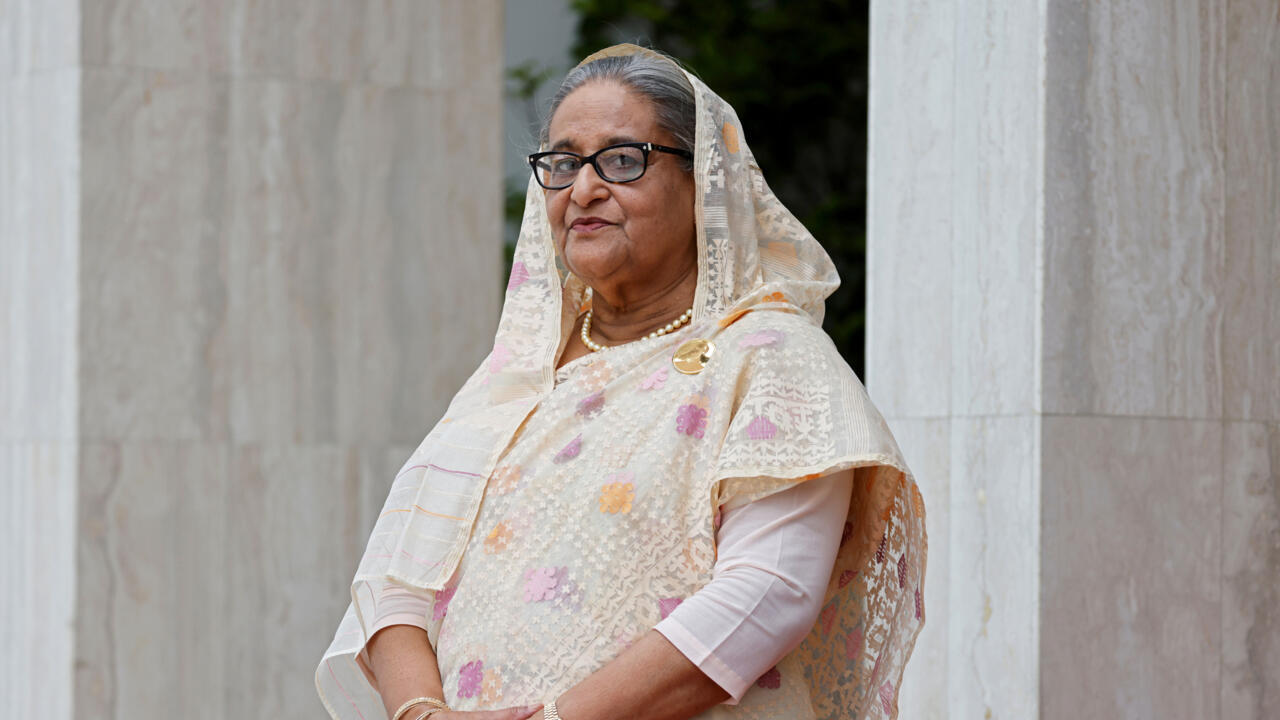
July 10, 2026 — Former Bangladesh Prime Minister Sheikh Hasina has announced that she plans to return to Bangladesh from exile in India around December 2026 along with several senior leaders of the Awami League and voluntarily surrender before the courts, despite acknowledging that she could face arrest—or even death—upon her return.
In an exclusive interview with Reuters, the 78-year-old former prime minister said she is determined to return to her homeland, where she has remained absent since fleeing Bangladesh in 2024 following the student-led uprising that brought an end to her long tenure in office.
“They may arrest me on my return, they may even kill me. Still, I have to go,” Hasina told Reuters. She added that if death comes, she wants it “on my own soil,” where her parents are buried.
Hasina said she and other exiled Awami League leaders intend to return together and voluntarily surrender before the judicial authorities. She described the move as a test of Bangladesh’s justice system and said she believes legal proceedings will reveal whether the cases against her are fair.
She declined to specify the exact date of her return or identify the court where she intends to surrender.
According to Hasina, many Awami League leaders and activists are facing criminal cases and have been forced into hiding. She said she has encouraged party members to return together and face the legal process.
Among those expected to return is former Home Minister Asaduzzaman Khan Kamal, who also faces legal proceedings in Bangladesh.
Hasina stated that she has not held any discussions with the Bangladeshi government regarding her planned return.
She emphasized that issues involving democracy, voting rights, political participation, and justice should not be resolved through secret negotiations, but through transparent legal and political processes.
Sheikh Hasina left Bangladesh in 2024 after widespread protests led to the collapse of her government. Since then, she has been living in India.
Bangladesh’s International Crimes Tribunal later convicted her in absentia and sentenced her to death over charges related to the government’s crackdown during the 2024 student uprising. Hasina has consistently denied the allegations, describing the cases as politically motivated. Bangladesh has also requested her extradition from India, although New Delhi has not publicly indicated that it will comply.
Political observers believe Hasina’s announced return could significantly reshape Bangladesh’s political landscape. Her surrender could heighten political tensions while also becoming a major test of the country’s judicial process and treatment of its most prominent opposition figure.
Analysts also note that the issue has affected relations between Bangladesh and India since New Delhi granted Hasina refuge following her departure from Bangladesh.
If the plan proceeds, Hasina’s return in December is likely to become one of the most consequential political developments in Bangladesh this year, drawing close attention from domestic political parties as well as the international community.