
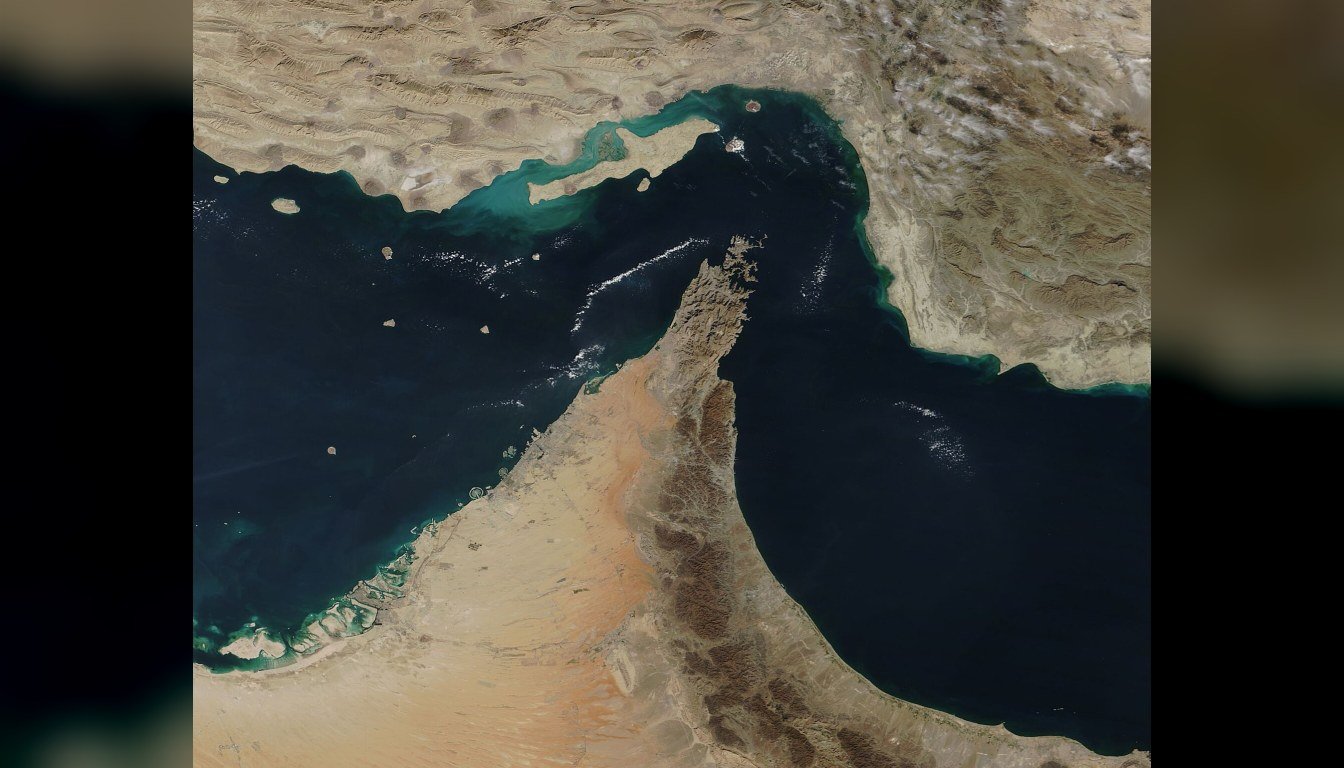
Attacks on ships in and around the Strait of Hormuz rose in October and November to their highest level since the US, Israel and Iran war began in late February, according to data reported by ABC News.
The rise matters now because it targets the route that keeps oil moving despite Iran's declared blockade and the US naval blockade of Iran. ABC News reported that experts said the attacks appear to be a bid to complicate US-led efforts to keep oil flowing through the strait.
How the attack count compares with earlier months
The UK Maritime Trade Operations Centre (UKMTO) reported 31 attacks in and around the strait in October and about 19 in November, as of Nov. 18, ABC News reported.
- UKMTO: 53 incidents between March and September, averaging 10 to 15 a month across the strait and surrounding gulfs in earlier months
- International Maritime Organization (IMO), a United Nations agency: 34 attacks in and around the strait in October and November so far, slightly fewer than the UKMTO count
- IMO: roughly 50 attacks in and around the strait between March and September
- IMO: 138 attacks on vessels across the Middle East since the war began
Most attacked tankers reported to the UKMTO were in the southern part of the strait, close to the Omani coastline, according to the maritime group's data, ABC News said.
Iran blockade and the US blockade of Iran
Iran has declared a blockade of the strait. The US has maintained a naval blockade since April 13, stopping Iranian and Iran-linked ships from going in and out of the Gulf of Oman, with a brief pause from June 18 to July 13.
Noam Raydan, a senior fellow at the Washington Institute for Near East Policy, told ABC News that Iran's objective is to keep the Omani route, which is described as a U.S.-facilitated route, "a very high-risk passage."
Hamidreza Azizi, senior Iran analyst at the International Crisis Group (ICG) think tank, said: "Washington and its regional partners have found ways to keep oil flowing through the Strait of Hormuz." He added: "Tehran now seems determined to make these arrangements more costly and less reliable."
What is a ship-to-ship transfer in the Strait of Hormuz?
ABC News reported that the US workaround uses "ship-to-ship" (STS) transfers. Smaller tankers cross the strait with tracking systems switched off and transfer cargo to larger tankers once they are safely on the other side, according to Sina Toossi, a senior fellow with the Center for International Policy.
Toossi said Iran is now responding in "a cycle of adaptation and counter-adaptation." He said: "Tehran has escalated its attacks to make the STS system more dangerous, costly, and ultimately unviable."
Toossi also said Iran's broader objective is to show that normal oil exports cannot continue while the US maintains its blockade, and to create enough economic pressure to force Washington to negotiate an end to the conflict.
Attacks extend to an island and an idle supertanker
On Nov. 8, Iran attacked the Omani island of Didamar in the strait, according to satellite images and video verified by ABC News. The island hosts radar and satellite communications technology. Iranian state media said Iran had struck what it described as "enemy navigation aid systems." Oman, a US partner, has not commented.
ABC News also reported that the Panama-flagged supertanker Gem No. 2 had been idle for nearly five months off the coast of the United Arab Emirates, in the Persian Gulf and outside the strait. It was fully loaded with two million barrels of Saudi crude, according to the maritime intelligence company Kpler.
Two crew members said the ship never tried to cross the strait. They said it was hit by one drone on Oct. 9 and at least three more on Oct. 10, and that the last attack caused a fire and forced an evacuation. ABC News said it had verified at least one drone attack on a ship in similar circumstances, a drone that appeared to belong to Iran.
The International Maritime Organization estimates hundreds of ships are stuck in the Persian Gulf since the US and Israel attacked Iran, ABC News reported.
What remains unclear
The reporting does not say whether attacks will continue at the October and November pace. Toossi said Iran wants to force negotiations, but no talks between Washington and Tehran are reported.
It is also not established whether the Gem No. 2 attacks and the Didamar strike are part of the same campaign, or whether Oman will respond publicly to the Didamar attack.