

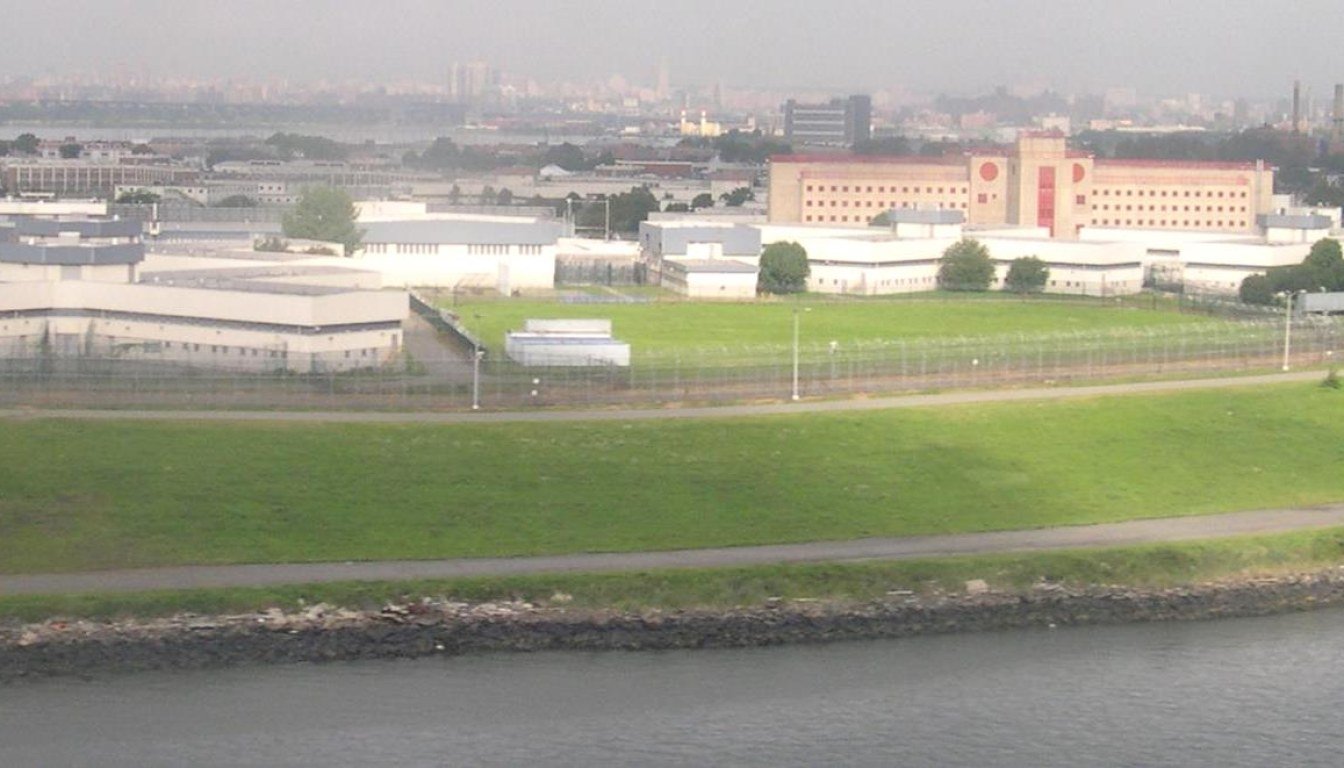
Mayor Zohran Mamdani unveiled a Rikers Island closing 2032 plan on Friday, setting a timetable five years later than the city's legal deadline for shutting the jail complex.
The plan sets a goal of ending all incarceration on the island and relocating the remaining jail population by the end of 2032, according to The Guardian. The city is legally required to close Rikers by August 2027 under 2019 legislation passed by the City Council and signed by then mayor Bill de Blasio.
The city now says it will not meet that date. CNN described the plan as proposing to delay the legally required deadline by five more years, and The Guardian reported that construction is behind schedule.
Why the 2027 deadline is slipping
Mamdani's administration has blamed delays and a de-prioritization under the previous Adams administration, along with the Covid-19 pandemic, for holding back progress, CNN reported.
Last year, a federal judge moved Rikers out of the city's direct control and placed it under an outside official who makes decisions affecting the jail. That official was appointed in January, The Guardian reported.
The administration cannot set a new closure date on its own. The Guardian, citing Politico, reported that the City Council must pass a new law extending the deadline. Council Speaker Julie Menin said in a statement that "delays under previous administrations have made it clear that more time is needed to fulfill the commitment the City Council made to New Yorkers in 2019 when we legislated closing Rikers Island."
How the Rikers Island jail population has grown
The Guardian reported that about 6,600 people were held on Rikers as of early November. CNN, citing the Data Collaborative for Justice at John Jay College, reported that the population has swelled again to nearly 7,000. The two figures come from different sources and dates, and CNN did not give a date for its tracker figure.
The original closure plan called for the population to stay below 5,000. The four new borough facilities are expected to hold about 4,500 beds, according to The Guardian. The plan sets these population targets:
- No more than 5,500 people when the Brooklyn facility opens in 2029
- No more than 4,100 people by the end of 2032
The plan's timeline has the Brooklyn facility opening in 2029, the Bronx and Queens facilities in 2031 and the Manhattan facility in 2032, The Guardian reported.
The city says the growth is driven by time spent in custody rather than by new admissions. CNN reported that 2025 saw 56% fewer people sent to Rikers before trial than in 2017, but the jail population was only 22% smaller. The average length of stay for everyone leaving jail was 102 days in 2025, up from 63 days in 2017.
Is Rikers Island dangerous, and what does the plan cost?
CNN reported that at least nine people have died in Department of Correction custody so far this year, according to the Vera Institute of Justice. Mamdani said custody at Rikers is nearly four times longer than the country's average, and that assaults on detainees and correctional staff occur at eight times the rate of similar jails.
The plan includes $146m in new city investment next fiscal year for mental health care, substance use treatment, education, vocational programming and victim services, The Guardian reported. It also includes hundreds of therapeutic beds for people with serious mental health conditions and complex medical needs.
CNN described Rikers as one of New York City's most controversial institutions. The case of Kalief Browder, a Bronx teenager held for three years in pre-trial detention on a backpack theft accusation, made the jail a national symbol of the harms of prolonged pre-trial detention. Browder died by suicide in 2015 at 22, CNN reported.
In a statement, Mamdani said: "We have a legal and moral obligation to close Rikers."
The plan does not say how the city will fund the work beyond next fiscal year. It is also unclear whether the City Council will pass the law the plan says is needed, and whether construction can stay on schedule for the 2029 Brooklyn opening.