
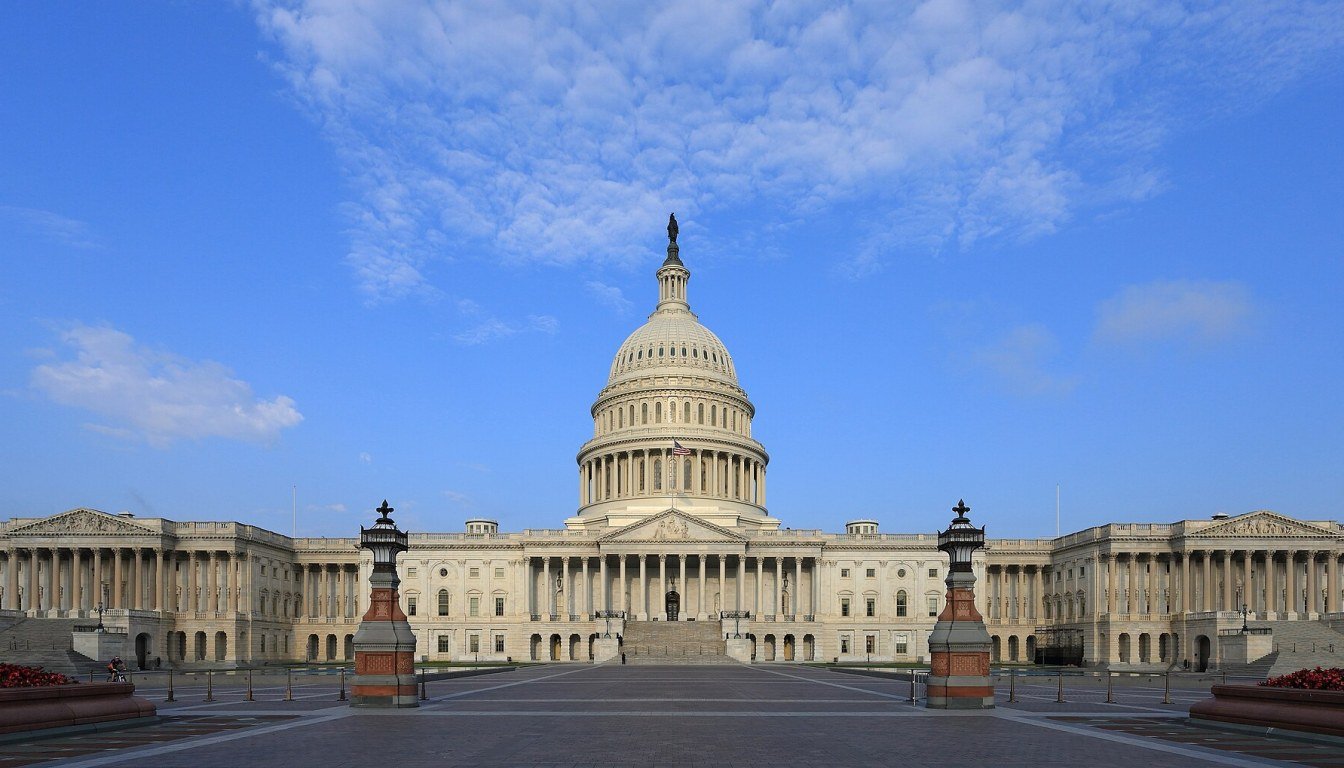
According to the Chicago Tribune, Democrats won control of the House and Senate in the midterm elections, setting up a divided government with President Donald Trump.
The results give the new majority room to act, but the federal budget leaves little room to pay for it. A commentary column in The Guardian argued that the party's post-election agenda is about to run into a fiscal squeeze.
What the midterm results give Democrats
The Chicago Tribune reported that Democrats ousted Republicans from coast to coast, and that their majorities in both chambers will be padded by wide margins. The House majority is well past the 218 seats needed in the 435-member chamber, and Senate Democrats hold at least 54 of 100 seats, the paper said.
The new Congress begins on Jan. 3, 2027. Hakeem Jeffries of New York, the House Democratic Leader, would become the first Black speaker of the House if his colleagues elect him, the Tribune reported.
House Democrats are promising a 100-day agenda, the Tribune said. It starts with efforts to lower the costs of gas, groceries and other goods, along with bills to reverse cuts to the Affordable Care Act and Medicaid.
Trump struck a conciliatory tone and suggested he could work with Democrats, the Tribune reported. He also warned of gridlock and threatened to use his veto to strike down the Democratic agenda. Jeffries said "We hear you," and Rep. Robert Garcia of California, the top Democrat on the House Oversight Committee, warned: "Lawyer up."
How a 6.2% of GDP deficit limits new spending
The federal deficit is running at about 6.2% of GDP, the Guardian column said. The federal debt has reached $40tn, more than 120% of GDP, and interest payments cost some 3.2% of GDP, about $1tn, which is more than is spent on national defense.
In October, the first month of the 2027 fiscal year, the deficit ballooned to $409bn, the column reported. The column said the Social Security trust fund is scheduled to run out in less than six years. By law, that would trigger an automatic 22% cut in benefits, and fixing it would require more money.
What reversing the Medicaid and SNAP cuts would cost
The Center on Budget and Policy Priorities estimates that restoring Obamacare subsidies from 2030 to 2039 would cost $460bn, the Guardian column said. Undoing the Medicaid and SNAP cuts in Trump's One Big Beautiful Bill Act would cost $2.2tn over the same decade, according to the same CBPP estimate.
Brendan Duke, senior director for federal budget policy at the center, said: "Reversing the harms is going to be very expensive." The column also said Trump's law will add between $4.1tn and $5.5tn to the federal debt over 10 years, depending on whether its temporary tax cuts are made permanent.
Tax increases on the record and what is still unknown
The column said Bill Clinton's 1993 tax increases are estimated to yield the equivalent of $3.3tn over 2030 to 2039, adjusted for inflation. It said Barack Obama's Affordable Care Act raised the equivalent of $1.1tn over the same decade. It also noted that the last tax increase by a government with any Republican in power came in the 1990s.
Historian Bruce Bartlett, who advised Ronald Reagan on budget policy, argues that Republicans cut taxes to tie the hands of the next Democratic administration, the column reported.
The research does not answer several questions that will shape what the majority can afford:
- Whether Congress passes a funding bill before a possible federal shutdown next month, which the Tribune said could happen if it fails to act.
- Whether the House elects Jeffries as speaker when the new Congress convenes.
- How far Trump follows through on his veto threat, and whether Democrats pursue impeachment or subpoenas, which the Tribune said are options.
- How Democrats would pay for their agenda, a question the column did not resolve.
- Whether a future Congress makes the temporary tax cuts in Trump's law permanent.