
President Trump issued an executive order on Friday waiving sanctions, restrictions and duties on Russia that Congress had passed with bipartisan support and were due to take effect Saturday, according to The Guardian.
Trump signed the "Lindsey O. Graham Sanctioning Russia and Iran Act of 2026" last month after both chambers of Congress approved it in rare agreement. The legislation sought to clamp down more quickly on financial resources fueling Russia's war against Ukraine.
Under the law Trump signed, he had until Saturday to impose the sanctions or issue a waiver. He chose the waiver, citing national interest without providing additional detail.
What the suspended sanctions would have done
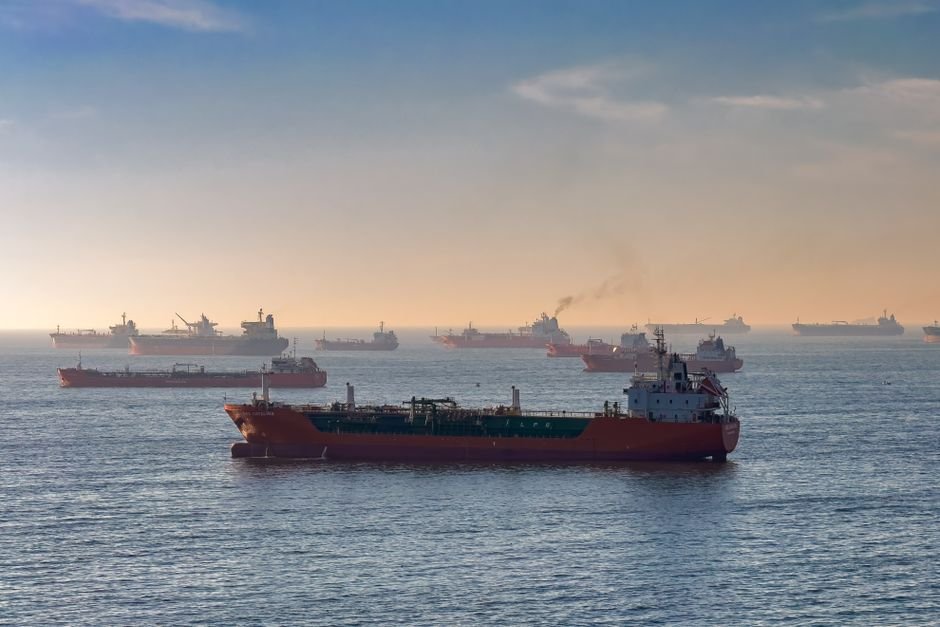
The legislation sanctions Russian officials, banks and a shadow fleet of tankers supplying Russian energy. It directs the president to impose up to 100% tariffs on the top five importers of Russian oil or natural gas, with an exception for countries importing less than 15% of Russia's natural gas exports that have taken significant steps to reduce those imports, according to The Guardian.
The late Senator Lindsey Graham was the legislation's primary backer in Congress. His sister, Senator Darline Graham, who was appointed to serve out his remaining term and is running to replace him permanently with Trump's endorsement, championed the measure during a debate in Columbia this week.
Why Trump paused the sanctions
Trump blamed Ukrainian strikes on Russian refineries for pushing up global energy prices, which he said could cost his Republican party its thin majorities in the US Senate and House ahead of midterm elections next month, according to The Guardian. The president announced last weekend that Ukraine and Russia had agreed not to target each other's energy facilities—a move that blindsided Ukrainian President Volodymyr Zelenskyy.
The waiver comes one week after Trump announced the US had agreed to purchase diesel from Russia. According to The Guardian, the deal includes more than 300,000 metric tons of diesel immediately, 500,000 tons in November, 1 million tons "immediately thereafter," and an additional 3 million tons "within a short period of time" after that.
Congressional and Ukrainian reaction
A dozen US senators, including six Republicans, sent a letter to Trump on Tuesday calling on him to rescind the diesel deal and execute the sanctions authorities in the legislation, according to The Guardian.
Zelenskyy said on Friday that the diesel deal would mean cash "will start flowing back into Russia," The Guardian reported. Trump's administration is also suspected of withholding intelligence from Ukraine on incoming Russian ballistic missile strikes and of restricting Starshield, the military version of Starlink satellite internet, to prevent its use on drones flying faster than 100 mph, though neither has been officially confirmed.
Graham's position on the sanctions
Senator Darline Graham acknowledged the legislation gave Trump "tools that he can use, if he so chooses, to end the war through economic sanctions," but said the decision was his to make, according to The Guardian. "I think the purpose of it is to bring down the gas prices and ultimately end the war. And when the war ends, gas prices will fall," Graham said during the debate in Columbia.
Graham is expected to campaign with Trump in South Carolina next week. The bipartisan group of senators who opposed the waiver had urged Trump to execute the sanctions authorities included in the legislation passed last month.