
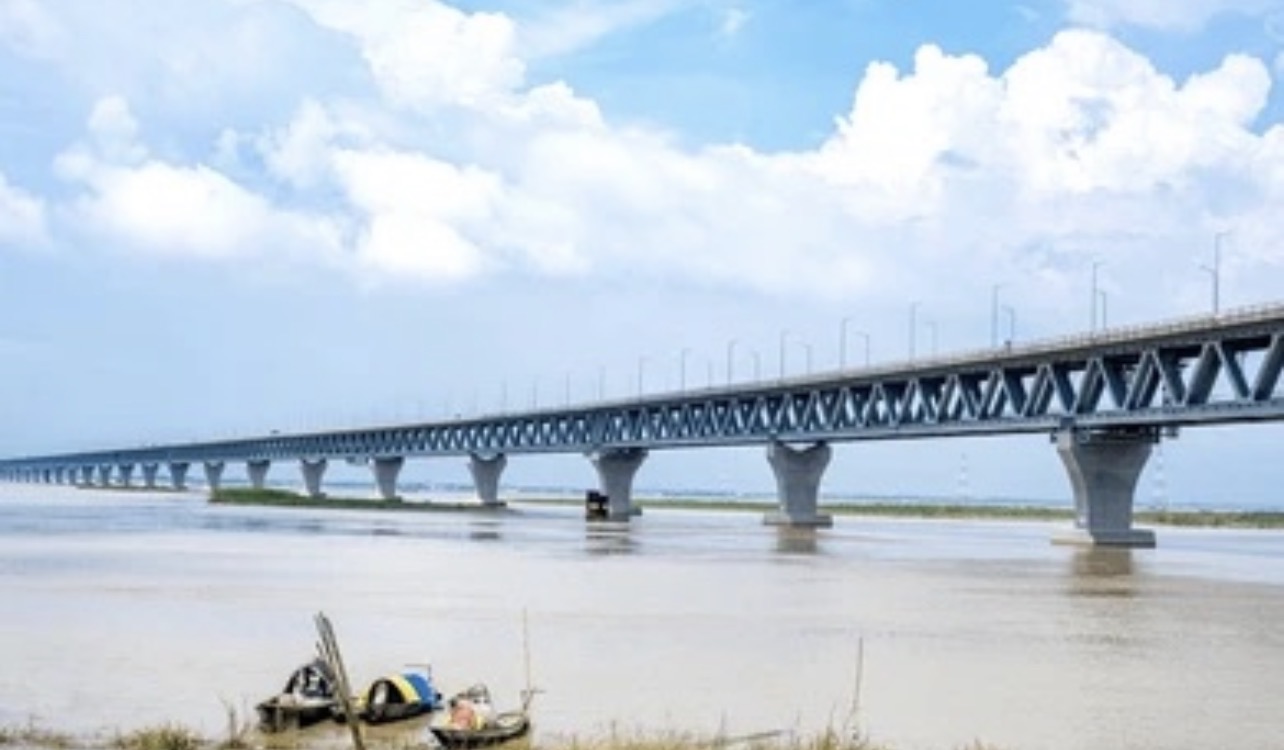
Dhaka, June 26, 2026: The Padma Bridge, a symbol of transformational change in the country’s transportation network, has completed four years of operation. Since opening to traffic on June 26, 2022, the bridge has not only revolutionized travel for people in the southern and southwestern regions of Bangladesh but has also emerged as a significant source of government revenue.
According to data from the Bangladesh Bridge Authority, approximately 26.7 million vehicles have crossed the Padma Bridge over the past four years. During this period, the bridge generated an estimated Tk 3,300 crore to Tk 3,392 crore in toll revenue, marking a major milestone in the country’s infrastructure sector.
Experts say the bridge has established direct road connectivity between the capital, Dhaka, and 21 districts in southern and southwestern Bangladesh, significantly reducing travel time and transportation costs. This improved connectivity has had a positive impact on trade, agriculture, industry, and tourism.
Traffic volume on the bridge has continued to rise steadily since its inauguration. During major holidays, particularly Eid festivals, the bridge has repeatedly set new records for toll collection. During this year’s Eid-ul-Adha holiday period alone, several days of heavy traffic generated toll revenues worth tens of millions of taka, further highlighting the bridge’s growing economic importance.
Economists believe that if the current growth trend continues, toll revenues from the Padma Bridge will increase further in the coming years and play an important role in recovering the construction investment over the long term. In addition, railway connectivity and utility services such as gas, electricity, and telecommunications infrastructure on the bridge are expected to generate additional revenue streams.
Key Facts
Official inauguration: June 25, 2022
Opened for traffic: June 26, 2022
Total vehicles crossed in four years: Approximately 26.7 million
Total toll revenue collected: Approximately Tk 3,300–3,392 crore
Districts directly benefiting: 21 districts in southern and southwestern Bangladesh