

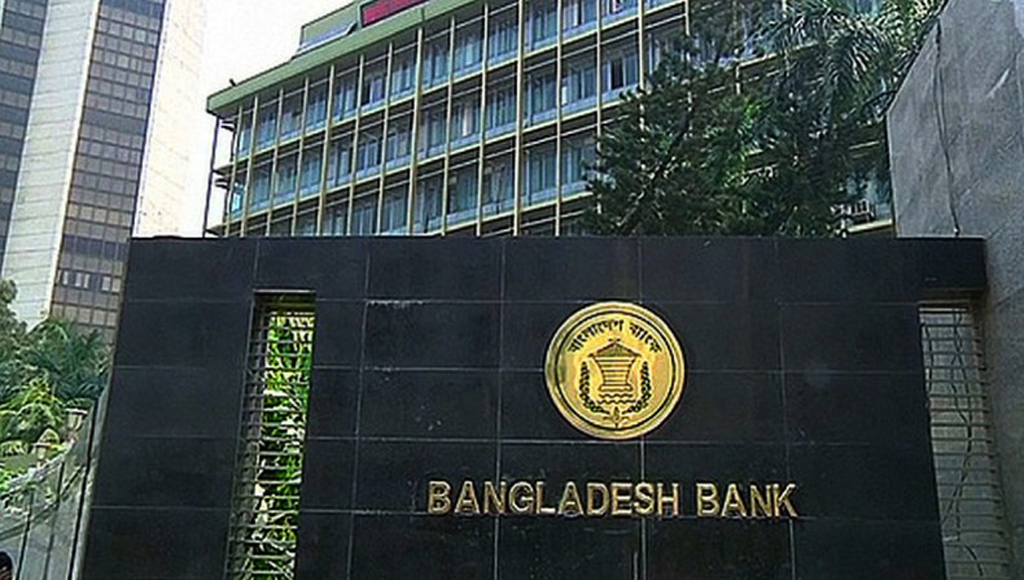
Dhaka, June 24: In a major move aimed at boosting remittance inflows and encouraging investment by expatriate Bangladeshis, Bangladesh Bank has introduced significant changes to the country’s offshore banking framework. Under the new policy, non-resident Bangladeshis will be able to open a “Non-Resident Exchangeable Taka Account” through Offshore Banking Units (OBUs), allowing them to repatriate both their principal investment and profits abroad with ease.
The central bank issued a circular on Tuesday to the chief executives of all scheduled banks across the country. According to Bangladesh Bank, the initiative is intended to maximize the utilization of remittances sent through formal banking channels and expand offshore banking operations.
Under the new guidelines, expatriates will be able to open savings, current, or fixed-term deposit accounts against foreign currency remitted through legal banking channels. These accounts can receive remittances, transfers from other non-resident accounts, accrued interest or profits, and income generated from approved investments or the stock market in Bangladesh.
One of the most significant features of the new account is its full repatriation facility. This means account holders will be able to transfer both their deposited funds and earned profits abroad at any time without restrictions.
The funds may also be used within Bangladesh for a variety of purposes, including Foreign Direct Investment (FDI), portfolio investments, local payments, and transfers to other foreign currency accounts.
The revised policy further allows these funds to be utilized for lending in local currency to Type-A industrial enterprises operating in special economic zones administered by BEZA, BEPZA, and BKEPZ. However, such loans may only be used for operational expenses such as salaries, wages, and utility bills and must be repaid through export earnings.
In addition, expatriates will be allowed to use the balance in these accounts as collateral to obtain loans from local banks for personal or business purposes. However, the use of such financing for agriculture, plantation projects, and housing sector investments will remain prohibited. The funds may, however, be used for the purchase of residential properties and non-repatriable investments.
Banking sector analysts believe the initiative will make Bangladesh’s remittance management system more dynamic and create new investment opportunities for expatriate Bangladeshis. They also expect the policy to improve liquidity management for industries operating in the country’s special economic zones.