

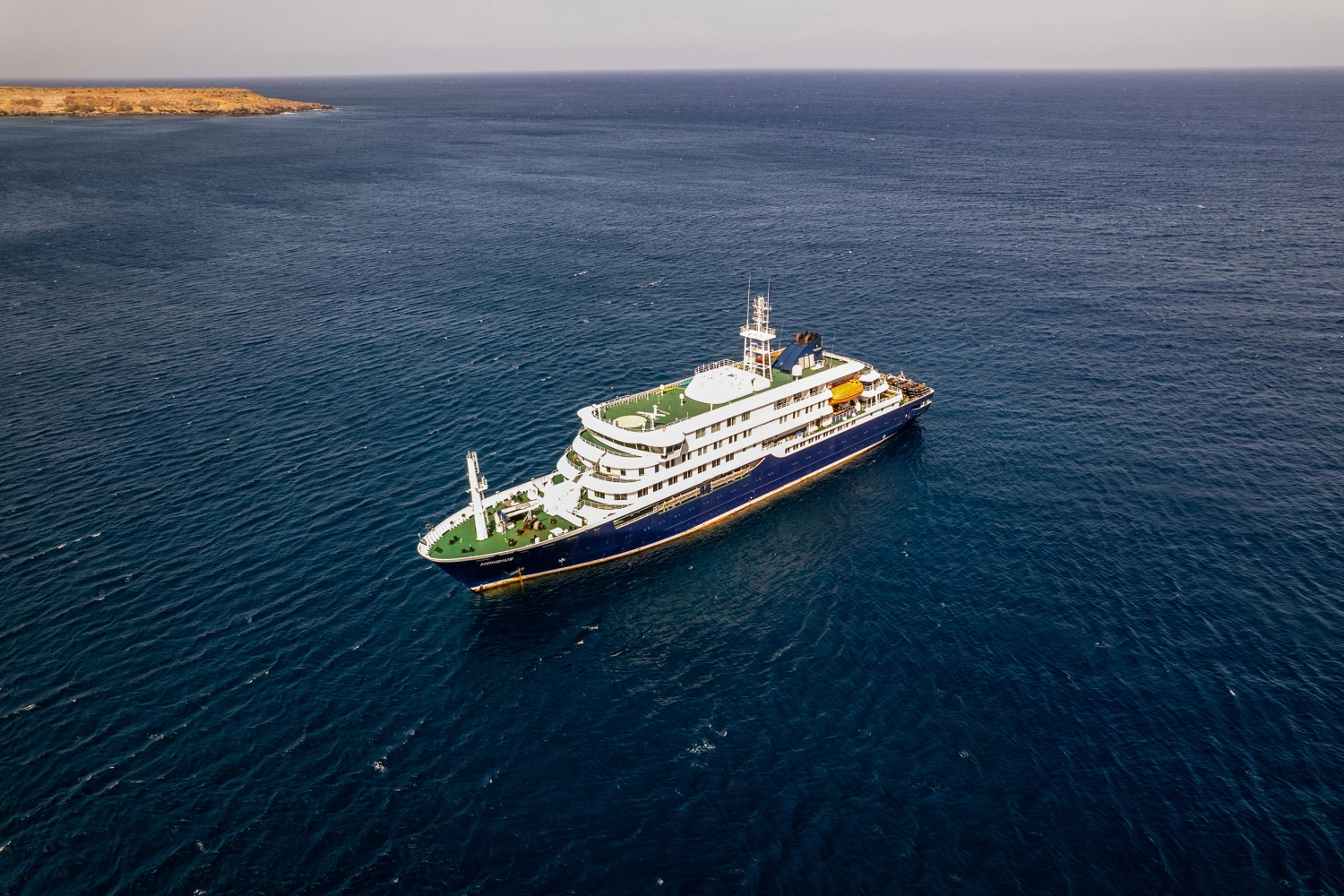
Three people have died and six others have fallen ill in a rare Hantavirus outbreak aboard the MV Hondius, a polar expedition ship operated by Oceanwide Expeditions, according to the World Health Organization and international health officials. The vessel, carrying approximately 150 passengers and 70 crew members, departed from Ushuaia, Argentina, three weeks before May 4, 2026, for a South Atlantic voyage.
The first victim was a 70-year-old Dutch man who died onboard after showing severe respiratory distress and was offloaded at Saint Helena. The second was his 69-year-old wife, who collapsed at OR Tambo International Airport in South Africa while attempting to fly home and died shortly after at a nearby hospital. The third was a British national who died between Saint Helena and Ascension Island.
One case has been laboratory-confirmed, with five additional suspected cases identified. One patient is fighting for their life in a Johannesburg intensive care unit, and the WHO is coordinating the emergency medical evacuation of two symptomatic crew members.
How Hantavirus spreads and why this outbreak is unusual
Hantaviruses are typically rodent-borne pathogens spread through contact with infected urine or droppings. Human-to-human transmission has historically been extremely rare, making the cluster of six cases aboard a confined ship an epidemiological puzzle.
Symptoms include high fever and chills, severe muscle aches and fatigue, shortness of breath (a condition known as Hantavirus Pulmonary Syndrome), abdominal pain and vomiting.
The source of the outbreak remains unclear. Investigators must determine whether a rodent infestation aboard the vessel introduced the virus, or whether the confined environment somehow facilitated human-to-human transmission in ways not previously documented.
Ship denied docking as authorities contain spread
The MV Hondius is currently at anchor off the port of Praia, Cape Verde. Local authorities have denied the ship permission to dock, citing the risk of land-based transmission.
The Dutch Foreign Ministry and the WHO are negotiating a "medical corridor" to repatriate the sick and deceased to the Netherlands under strict biohazard protocols. South Africa's National Institute for Communicable Diseases has begun aggressive contact tracing at airports and hospitals in Johannesburg to determine whether the virus has spread beyond the initial cluster aboard the ship.
International coordination amid uncertainty
WHO Chief Tedros Adhanom Ghebreyesus said that "rapid, coordinated action is critical to contain risks and protect public health." The scale of the outbreak and the challenges of managing an infectious disease emergency at sea underscore the vulnerability of confined environments to rapid disease transmission, even when the pathogen in question has not previously shown an ability to spread between humans.
The outcome of the medical corridor negotiations and the results of laboratory testing on the five suspected cases remain unknown.