

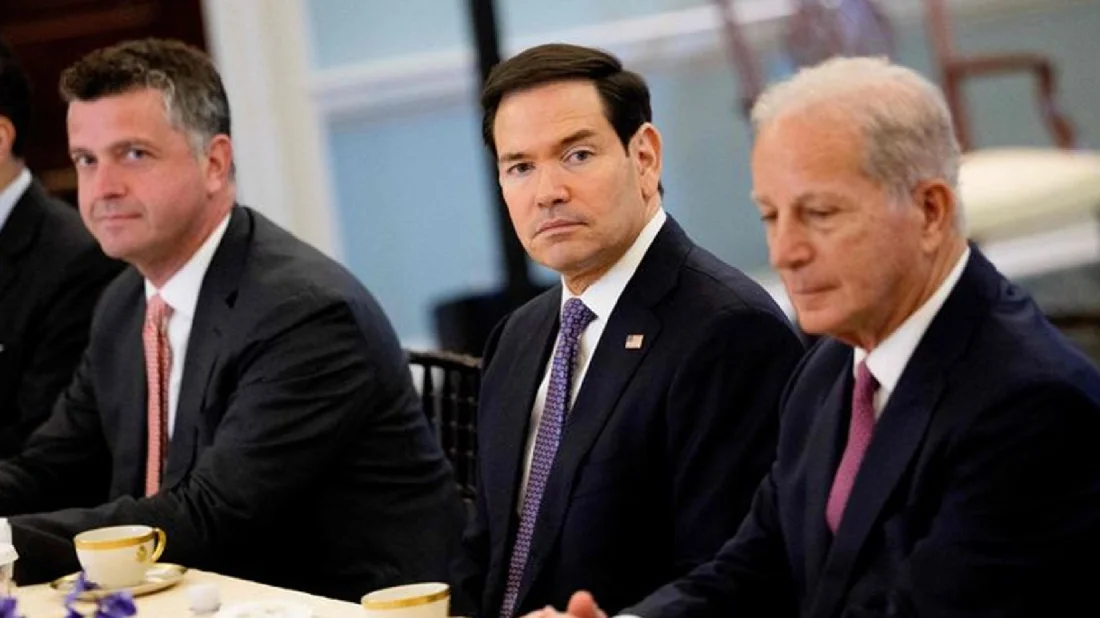
In a major push to end the bloody conflict and establish lasting peace in the Middle East, Israel and Lebanon are set to hold their second round of direct negotiations. This high-stakes meeting will take place this Thursday (April 23, 2026) in Washington, D.C. The diplomatic effort aims to de-escalate war tensions and find a long-term solution.
A report by Reuters on Monday (April 20) confirmed the details of the upcoming session.
Building on the Trump-Brokered Truce
This marks the first formal meeting between the two nations since a 10-day ceasefire was brokered by U.S. President Donald Trump on April 16. Analysts believe the outcome of this Thursday's summit will determine whether the current temporary truce can be converted into a permanent peace.
The ceasefire followed a period of intense fighting that had raised alarm across the region and drawn international calls for restraint. A 10-day window, while brief, has allowed humanitarian access and created the diplomatic space for both sides to engage. Whether that narrow opening holds beyond its expiration may depend heavily on what is achieved at the negotiating table this week.
The Delegations
- Israel: Will be represented by Yechiel Leiter, the Israeli Ambassador to the United States.
- Lebanon: While the full delegation list is yet to be confirmed, the previous round was led by the Lebanese Ambassador to the U.S., Nada Hamadeh.
Both ambassadors are seasoned diplomats well acquainted with the U.S. capital's political landscape, which may help streamline communication. However, neither side has publicly outlined its agenda or signaled flexibility on core demands, leaving the scope of potential agreement uncertain.
Diplomatic Context
This follow-up meeting comes after a historic first round of direct talks on April 14—the first such meeting between the two neighbors in over three decades. That initial session was attended by top U.S. officials, including:
- Marco Rubio: Secretary of State
- Michael Needham: State Department Counselor
- Mike Waltz: U.S. Ambassador to the UN
Key White House officials are expected to be present again this Thursday to facilitate and mediate the discussions.
The heavy involvement of senior U.S. personnel underscores Washington's central role as broker. Direct talks between Israel and Lebanon have historically been rare, often mediated through third parties or conducted indirectly. The fact that two rounds of face-to-face negotiations have now been scheduled in the span of a week marks a notable shift in diplomatic engagement.
Why This Round Matters
The central question is whether a fragile pause in fighting can be translated into a durable agreement. Ceasefires in conflict zones often face pressure from spoilers on both sides, and without a political framework, temporary calm can collapse quickly. Thursday's session will test whether both delegations are willing to move beyond the current truce and address the underlying issues driving the conflict.
For the broader region, a sustained Israel-Lebanon understanding could reduce the risk of wider escalation and encourage other diplomatic tracks. For civilians affected by the fighting, the practical stakes are immediate: whether humanitarian conditions improve and whether families can return to affected areas without fear of renewed hostilities.