
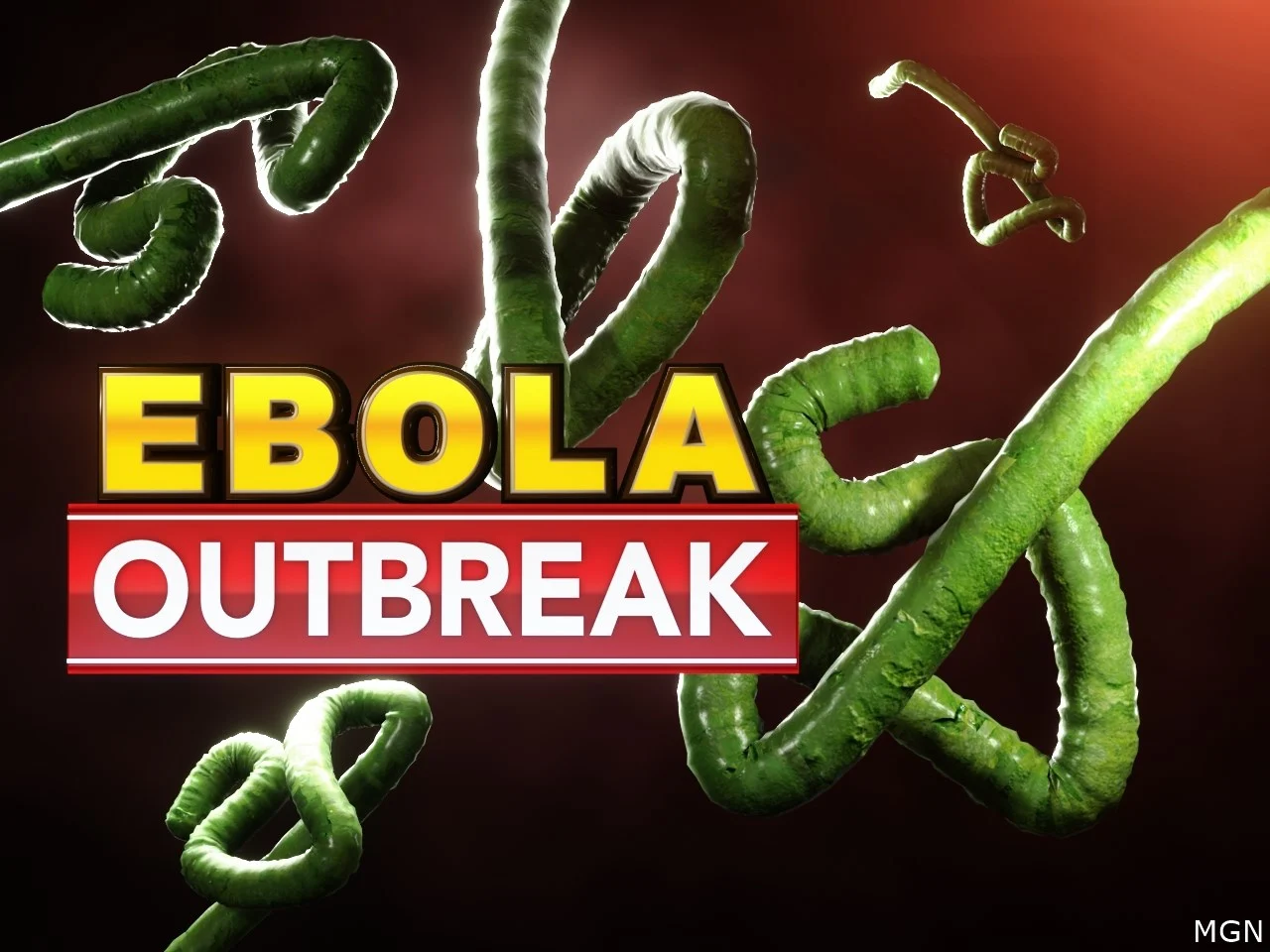
The World Health Organization (WHO) has declared the ongoing Ebola outbreak in the Democratic Republic of the Congo (DRC) and Uganda a “Public Health Emergency of International Concern” (PHEIC), raising global concern over the rapid spread of the deadly virus.
According to WHO, the outbreak involves the rare Bundibugyo strain of Ebola virus, a variant for which there is currently no approved vaccine or specific treatment. Health officials say this makes the outbreak particularly dangerous and difficult to control.
As of May 16, health authorities reported:
300+ suspected cases in eastern DRC
At least 100+ suspected deaths
Multiple laboratory-confirmed infections
Cross-border cases detected in Uganda’s capital, Kampala
WHO officials warned that the real number of infections could be significantly higher because many cases may remain undetected in remote and conflict-affected regions.
Origin of the Outbreak
The outbreak is believed to have started in the Ituri Province of eastern Congo, particularly in high-traffic mining communities where people frequently move across borders. Health experts say infected individuals traveled to other regions seeking treatment, contributing to the spread of the disease.
The first suspected patient reportedly showed symptoms in late April. Several healthcare workers later became infected and died, highlighting serious gaps in infection control inside medical facilities.
What is Ebola?
Ebola Virus Disease is a severe and often fatal illness caused by viruses in the Ebola family. It spreads through direct contact with infected blood, bodily fluids, contaminated materials, or infected animals such as bats and primates.
Common symptoms include:
Fever
Severe weakness
Vomiting and diarrhea
Muscle pain
Internal and external bleeding
The virus is not airborne like COVID-19, but it can spread rapidly through close human contact.
No Approved Vaccine for Bundibugyo Strain
Unlike the Zaire strain of Ebola — for which vaccines and treatments exist — the Bundibugyo strain currently has no licensed vaccine. Medical response teams are relying mainly on:
Early detection
Isolation of patients
Contact tracing
Supportive medical care
Safe burial practices
Community awareness campaigns
Experts warn that delayed diagnosis and public mistrust could worsen the outbreak.
International Response
WHO, the Africa Centres for Disease Control and Prevention (Africa CDC), and other international health agencies have deployed emergency response teams, medical supplies, and surveillance systems to affected areas. Border screening and monitoring have also intensified in neighboring countries.
The U.S. Centers for Disease Control and Prevention (CDC) is also monitoring the situation after reports that several American aid workers may have been exposed in Congo.
Regional and Global Concerns
Health officials say the risk of global spread remains low for now, but the outbreak is especially concerning because it is occurring in regions affected by armed conflict, displacement, weak healthcare systems, and heavy population movement.
WHO emphasized that the current situation does not yet meet the criteria for a pandemic emergency, but international cooperation is critical to prevent further transmission.