

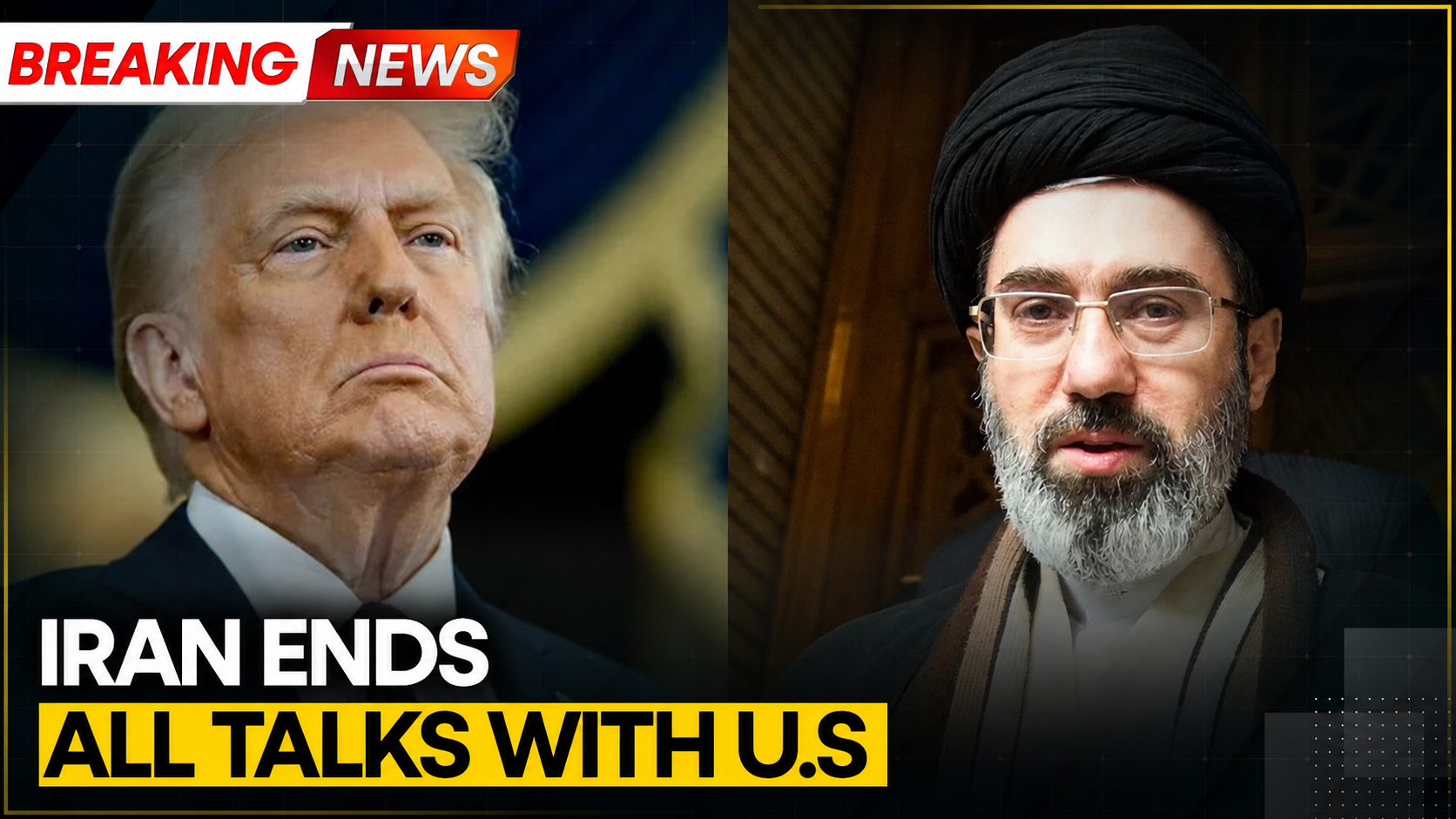
International Desk: Iran has announced the indefinite suspension of all ongoing indirect peace talks with the United States, which were being mediated by Oman and Qatar. Tehran reportedly took this decision in light of escalating tensions in the Middle East, recent military conflicts, and a diplomatic stalemate.
In a statement, the Iranian Foreign Ministry noted that due to the current regional situation and Washington's unilateral policies, there is currently no environment conducive to dialogue. The process will remain halted until the U.S. takes concrete steps regarding its hostile behavior and the lifting of sanctions.
Core Issues of the Talks and Reasons for the Stalemate
For the past few years, representatives from both countries had been conducting talks through mediators in Muscat, Oman, and Doha, Qatar, without sitting directly at the negotiating table. The main agendas of these indirect talks were:
Revival of the Nuclear Deal (JCPOA): Efforts to reinstate the agreement after the Trump administration withdrew from it in 2018.
Lifting of Sanctions: Easing economic and energy-sector sanctions imposed on Iran.
Prisoner Swaps and Regional Stability: Reducing tensions in the Persian Gulf region and releasing detainees.
According to Analysts: The primary reason for the collapse of these talks is the recent direct conflict between Israel and Iran, alongside open U.S. support for Israel. Tehran believes that while Washington talks about peace on one hand, it is fueling regional conflict on the other by increasing military assistance.
Global and Regional Impact
Experts fear that the suspension of these talks could have severe negative repercussions on Middle Eastern geopolitics.
[Indirect Talks Suspended]
│
├──► Expansion of nuclear programs (Increased uranium enrichment)
├──► Heightened risk of proxy and direct conflicts in the Middle East
└──► Volatility in global energy and oil market prices
The White House has expressed deep concern over the development. A spokesperson for the U.S. National Security Council stated, "We do not wish to close the door on diplomacy, but if Iran walks away from the negotiating table, we will take all necessary steps to protect our regional allies."
Diplomatic sources indicate that Oman and Qatar are still working behind the scenes to bring both sides back to the table. However, given the current highly volatile situation, the likelihood of resuming these indirect talks in the near future remains very slim.