

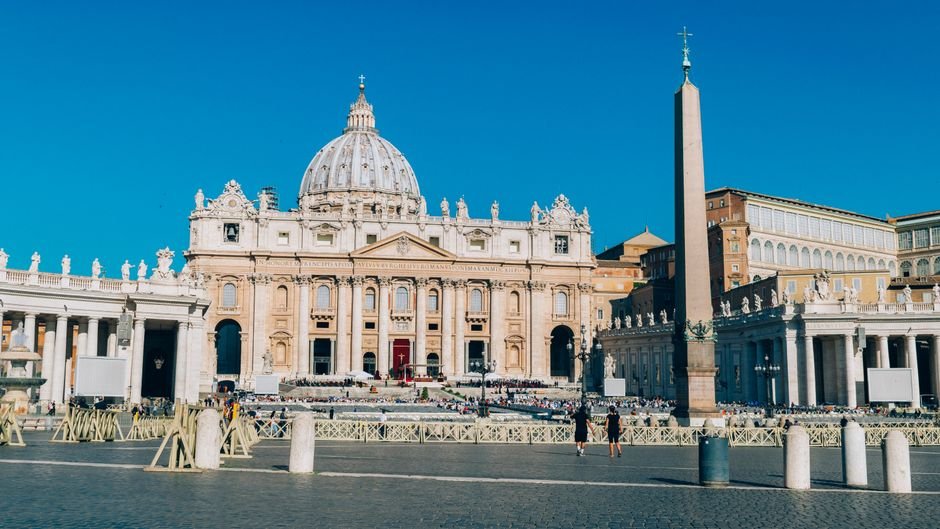
Pope Leo XIV released his first encyclical, Magnifica Humanitas ("Magnificent Humanity"), from Vatican City on Monday, 25 May 2026, issuing a sweeping moral appeal for the global regulation of artificial intelligence and warning against unchecked technological power.
The document marks a significant early milestone in the papacy of the first U.S.-born pontiff. It lands in the middle of an active international debate among policymakers, ethicists and technology leaders over how artificial intelligence should be governed — and it puts the Vatican's moral weight squarely behind those calling for binding rules.
What Magnifica Humanitas demands of governments and tech firms
In the encyclical, Pope Leo XIV directly addresses governments, technology companies and researchers, urging them to place human dignity and the common good above corporate competition and profit.
He calls for "robust international frameworks" to govern AI development, emphasizing that innovation must remain "ethically anchored" and accountable to humanity.
The Pope expresses concern over the rapid expansion of artificial intelligence systems, particularly those capable of influencing public opinion, labor markets and decision-making processes. That concern runs through the document, which frames the governance of AI not as a technical question but as a moral one.
Does the encyclical name any tech companies?
No. While the encyclical does not name specific companies, it clearly references global technology leaders and warns against the concentration of unchecked digital power in the hands of a few corporations.
The warning is directed at the structure of the industry itself: a small number of firms holding sweeping influence over technologies that increasingly shape public life.
Human dignity at the center of the Pope's AI warning
A central theme of Magnifica Humanitas is the protection of human dignity in an increasingly automated world. The Pope stresses that AI should serve humanity, not replace or diminish it.
He urges developers and policymakers to:
- Ensure transparency in algorithms
- Safeguard employment from disruptive automation
- Protect vulnerable populations from digital exploitation
Together, the demands amount to a Vatican blueprint for how artificial intelligence should be built and overseen — one in which accountability to people, rather than commercial advantage, sets the terms of innovation.
Why the encyclical could shape the global AI debate
The Vatican's message is expected to resonate widely among policymakers, ethicists and technology leaders already debating global AI governance. Analysts say the encyclical could add moral pressure to ongoing international discussions on regulating artificial intelligence.
Early reactions from religious scholars and technology policy experts suggest the document may become a reference point in future debates over ethical AI frameworks.
As Pope Leo XIV continues to shape his papacy, Magnifica Humanitas positions him firmly within global conversations on technology and ethics. Observers say the encyclical signals a strong intention by the Vatican to play an active role in guiding the moral direction of emerging technologies.
For a first encyclical, the choice of subject is itself a statement: the new pontiff has made the governance of artificial intelligence an early defining priority of his leadership of the Church.
What happens next
Further responses from world governments and major technology firms are expected in the coming days. Their reactions will offer the first test of whether the encyclical's moral appeal translates into concrete international AI regulation efforts — and whether Magnifica Humanitas becomes the lasting reference point in ethical AI debates that early reactions suggest it may.