
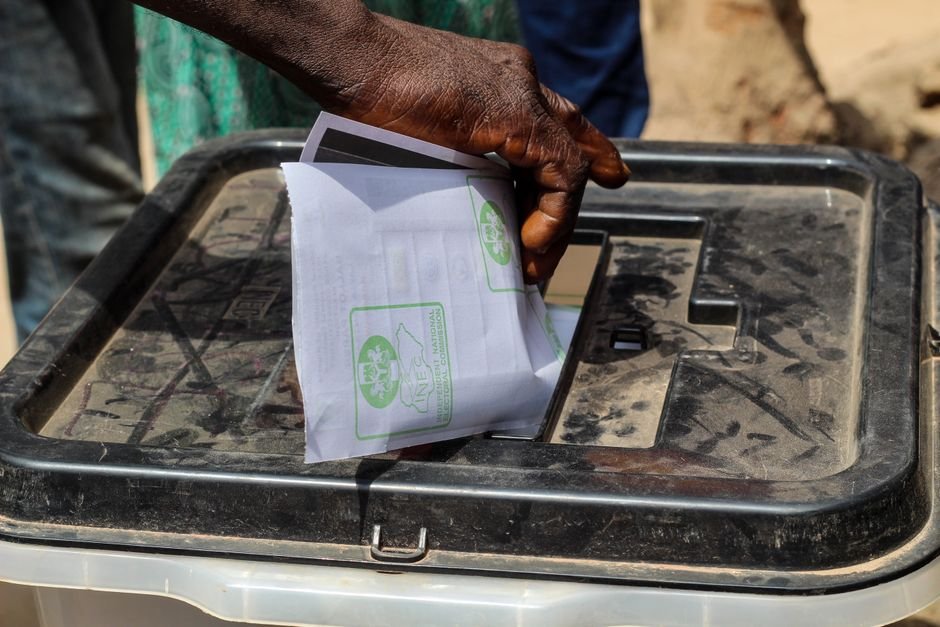
Official 2026 midterm election results may not be finalized on election night, as no U.S. state is required to complete its official vote count by the time polls close, according to PBS.
The timing of final tallies depends on state laws that determine certification deadlines, a process that often takes several weeks. This delay can lead to shifts in leading candidates as different types of ballots are processed, which experts say can be a source of misinformation regarding "ballot dumps" or fraud.
"States are neither fast or slow, they all count and certify the results in accordance with the laws passed by their state legislature," Ryan Macias, an election technology and cybersecurity expert, told PBS.
Why does it take so long to count mail-in ballots?
The speed of results varies based on how states handle mail-in and absentee ballots. Election workers must verify voter identities, such as matching envelope signatures against registration records, which takes time.
Voters can help elections run smoothly by not waiting until the last minute to submit ballots. Many election offices provide secure drop boxes to speed the return of mailed ballots, and the U.S. Postal Service recommends mailing them at least one week before the deadline.
In California, which conducts nearly all-mail elections, ballots are permitted as long as they are postmarked by Election Day and received up to a week later. According to PBS, California counties generally must count and report most ballot results by the 13th day after the election.
In contrast, Ohio passed a law in 2025 requiring most absentee ballots to be received by the close of polls on Election Day, removing a previous four-day grace period. The U.S. Supreme Court upheld the right of states to allow ballots received after Election Day if they were postmarked by that date in a June ruling, PBS reported.
Which states have a slower vote counting timeline?
Close margins in competitive races often extend the time needed to project a winner. PBS notes that competitive U.S. Senate races are expected in the following states:
- Michigan
- Maine
- Iowa
- Alaska
- Kansas
- Texas
"There are always a handful of really close Senate and House races in which the winner will not be determined for several days or, in the cases of Alaska and California, as much as a week or two," Joe Lenski, executive vice president of SSRS, told PBS.
Historical data shows that early leads can be misleading. In 2020, Donald Trump led by more than 100,000 votes in Wisconsin early in the evening, but the result shifted to Joe Biden after Milwaukee processed mail-in votes around 3:30 a.m. local time. Additionally, three statewide races in Florida were settled via recounts in 2018.
Addressing election misinformation
The gap between unofficial election night tallies and certified results has previously been used by some political figures to claim that "suitcases" of ballots or "late night" arrivals are evidence of fraud, according to PBS.
Experts clarify that these patterns are often the result of the order in which different jurisdictions report their votes and the specific legal requirements for processing mail-in ballots in those states. While some states, such as Florida, often complete unofficial counts more quickly, PBS reports that this is not a sign of fraud in states that require more time.
It remains an open question how the 2025 Ohio law will impact voter turnout compared to previous cycles and which specific Senate races will prove to be the closest.