

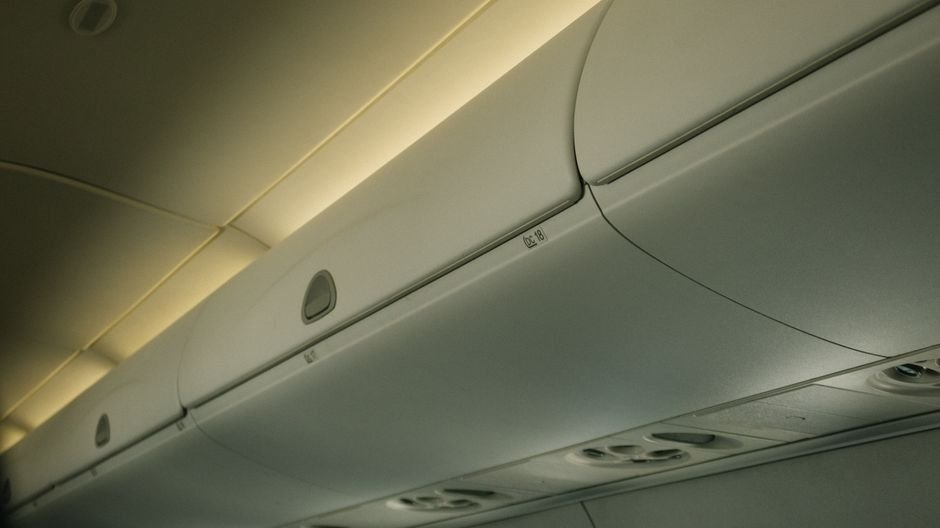
An IndiGo power bank fire flight operating as 6E 6115 departed New Delhi’s Indira Gandhi International Airport at 1:30 pm on October 11, bound for Chennai. Roughly two hours later, a power bank stored in an overhead compartment erupted in flames, prompting the crew to divert the Airbus A321 to Rajiv Gandhi International Airport in Hyderabad. The aircraft touched down safely at 3:59 pm, and the airline confirmed that none of the more than 180 passengers sustained injuries.
Mid‑air incident and emergency diversion
Videos circulating online show bright flames emerging from the overhead bin above a passenger seat, while several travelers attempted to smother the fire with clothing and bags. A voice on the recording can be heard urging calm. According to The New Indian Express, the pilots followed established emergency procedures, declaring a diversion and landing without further incident.
Airline response and passenger handling
In a statement, IndiGo said smoke was detected from a customer’s personal electronic device and that cabin crew acted promptly to bring the situation under control. The carrier arranged an alternate aircraft to continue the journey to Chennai and offered refreshments and timely updates to affected passengers, expressing regret for the inconvenience.
Regulatory background on power banks
Power banks are prohibited in checked baggage and may only be carried in cabin luggage because their lithium‑ion cells can overheat and ignite. Since late 2025, airlines have also barred the use of power banks to charge devices on board, a rule introduced after a series of similar fire events.
Previous IndiGo power bank incidents
This is not the first such occurrence for the carrier. On May 5 2026, a power bank caught fire on IndiGo flight 6E 108 after landing in Chandigarh, leading to an evacuation and five injuries. Earlier, on October 19 2025, a device in a seat‑back pocket ignited while flight 6E 2107 was taxiing at Delhi, forcing the aircraft back to the parking bay.
Why it matters for aviation safety
The repeated episodes highlight the persistent hazard posed by lithium‑ion batteries in the cabin environment. While regulations restrict placement and usage, compliance relies heavily on passenger awareness and crew vigilance. Each diversion disrupts schedules, incurs costs, and erodes confidence in air travel safety, underscoring the need for continued education and possibly stricter enforcement of existing rules.