
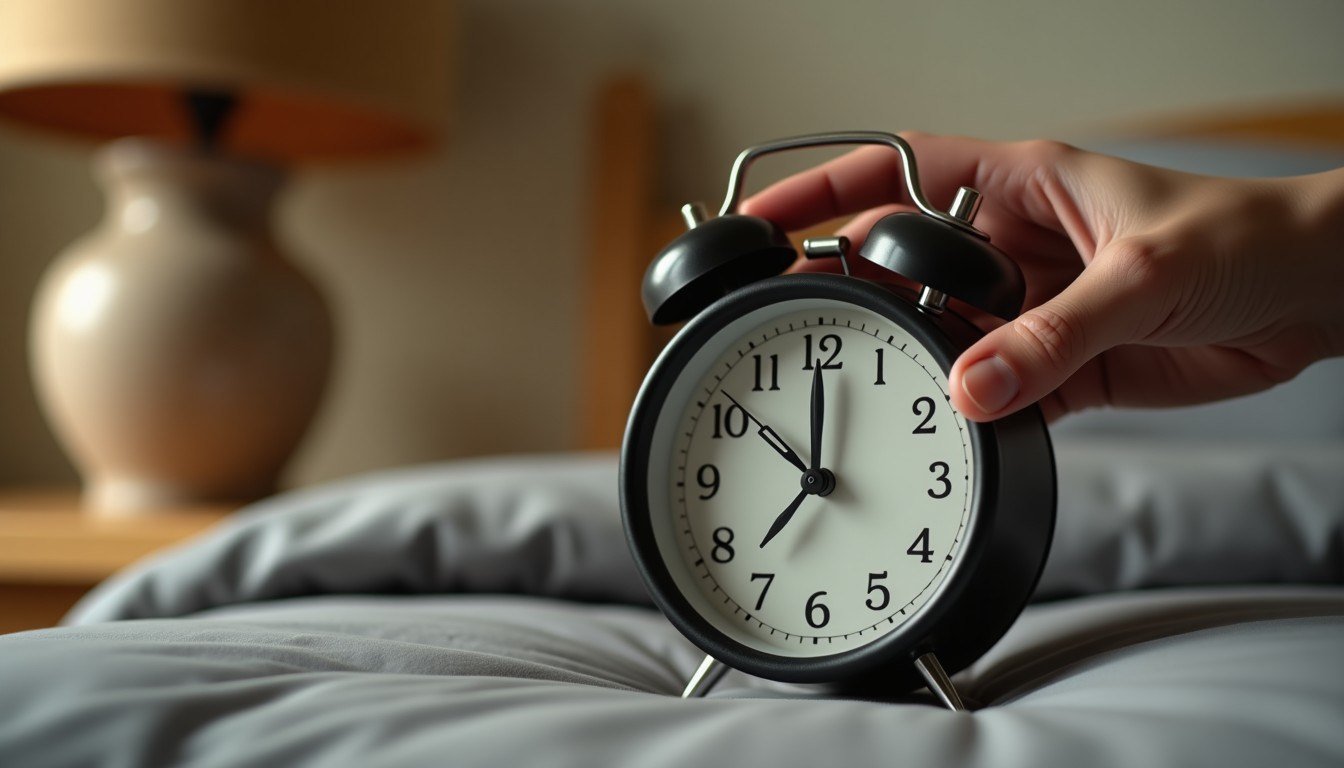
Daylight saving time ends at 2 a.m. local time on Sunday, Nov. 1, 2026, when most of the United States will "fall back" one hour to standard time, according to CBS News.
The change gives Americans an extra hour of sleep and moves sunrise and sunset earlier by one clock hour. The shift occurs during the overnight hours after Halloween.
The twice-yearly switch has been uniform nationwide since Congress set fixed start and end dates in 1966. Since a 2005 law took effect in 2007, the "fall back" has occurred on the first Sunday of November, CBS News reported.
In Boston, for example, sunrise shifts from 7:16 a.m. Saturday to 6:17 a.m. Sunday, and sunset moves from 5:39 p.m. to 4:37 p.m., according to the National Weather Service.
What happens when daylight savings 2026 falls back?
The time change takes effect at 2 a.m. local time Sunday, meaning clocks move backward one hour so 2 a.m. becomes 1 a.m. Most people set their clocks back before bed Saturday night.
The shift means morning daylight arrives earlier, while evenings grow dark sooner. CBS News noted that parents of young children often find the transition disrupts sleep schedules for several days.
Daylight saving time is the period from March to early November when most of the U.S. operates one hour ahead of standard time. The U.S. first adopted the practice in 1918 during World War I to conserve fuel, according to the Congressional Research Service.
Has the Sunshine Protection Act passed?
Legislation to make daylight saving time permanent cleared the House in July 2026 and is currently in the Senate. The Sunshine Protection Act would keep the country on daylight saving time year-round and allow states to opt out before the law takes effect.
President Trump supports the bill and has publicly pressured Senate Republicans to pass it. According to CBS News, Trump accused Arkansas Sen. Tom Cotton of holding up the legislation and urged people via social media to call the senator in support of the measure.
Sen. Cotton has opposed the measure, citing "absurdly late sunrises in the winter." Cotton noted that Congress previously tried year-round daylight saving time during World War II and the 1970s energy crisis to reduce energy consumption, but reverted to the twice-yearly change after public backlash over dark winter mornings.
Why the legislation faces a deadline
The bill and all other pending legislation expire in early January when the new class of lawmakers elected in the midterm elections takes office. If the Senate does not pass the Sunshine Protection Act before then, the effort must start over with both chambers approving it again.
The Senate has not yet scheduled a vote on the measure.
When is the next time change?
Unless Congress acts, daylight saving time will resume on Sunday, March 14, 2027, at 2 a.m. local time. The start date falls on the second Sunday of March, which is later than usual because March 2027 begins on a Monday.
In 2026, daylight saving time began on March 8.