
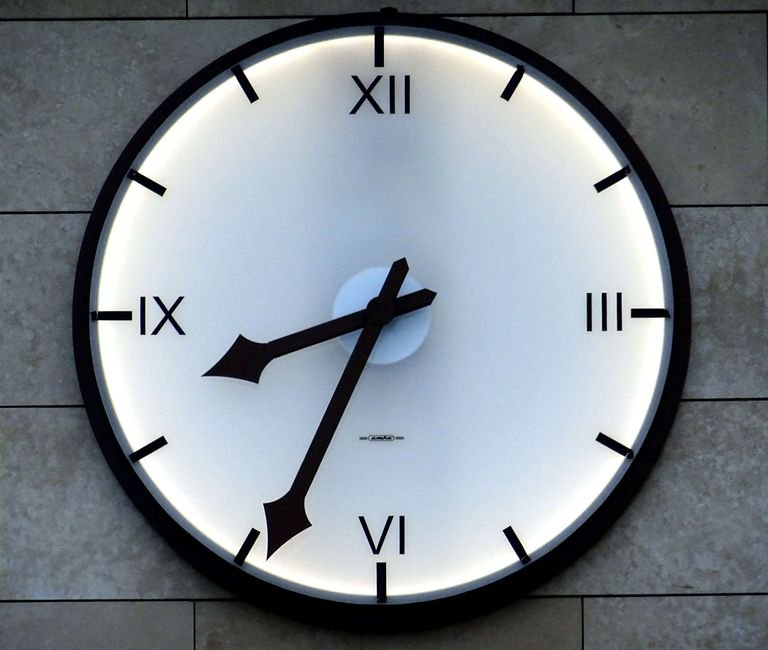
The fall 2026 time change arrives this Sunday, Nov. 1, when daylight saving time ends at 2 a.m. local time and most Americans set their clocks back one hour.
The switch brings an extra hour of sleep for one night. It also brings darker afternoons, according to an Associated Press report published by PBS. Standard time will last until March 14, when clocks "spring forward" again.
The change comes as lawmakers in Washington once more weigh whether to end the twice-yearly ritual. Polling shows few Americans support it, and health groups warn that the shift can disrupt sleep and the body's internal clock.
Fall back time change 2026: what time and which way
Clocks move back, not forward. Daylight saving time officially ends at 2 a.m. local time on Sunday, so the AP report advises people to set their clocks back an hour before going to bed on Saturday night.
Phones and other connected devices usually update on their own, but many household clocks have to be changed by hand.
The key dates:
- Sunday, Nov. 1, 2 a.m. local time: daylight saving time ends and clocks go back one hour.
- March 14: daylight saving time returns and clocks go forward one hour.
Which US states don't change their clocks?
Hawaii and most of Arizona do not take part in the switch. They stay on standard time all year, according to the AP report.
Most countries do not observe daylight saving time at all. Those that do are mostly in North America and Europe, and the dates on which they change their clocks vary.
How can I adjust my sleep to the time change?
The brain runs on a master clock known as the circadian rhythm. This roughly 24-hour cycle is set by exposure to sunlight and darkness and determines when people feel sleepy and when they feel alert.
Morning light keeps that clock in sync. By evening, levels of the hormone melatonin rise and bring on drowsiness. Too much light in the evening, whether from later daylight or from screens, delays that surge and throws the cycle off, the AP reported. The same clock also influences heart rate, blood pressure, stress hormones and metabolism.
Even a one-hour change can disrupt sleep because work and school start times stay the same. Many people adjust easily, much as they recover from jet lag. The shift can be harder for shift workers, whose schedules already run out of step with the sun, and for people who are regularly short on sleep.
That group is large. About 1 in 3 US adults sleep less than the recommended seven or more hours a night. More than half of US teens do not get the recommended eight or more hours on weeknights, according to the AP report. Chronic sleep deprivation is linked to heart disease, cognitive decline, obesity and other problems.
Sleep guidance in the report comes down to two simple steps:
- Shift bedtime gradually. Moving bedtime by as little as 15 minutes a night in the days before the change can help the body adjust.
- Get morning sun. Morning sunshine is critical to resetting the circadian rhythm. People who cannot get outdoors should sit by a window.
The fall months also pose a particular difficulty for some people with seasonal affective disorder. This type of depression is usually linked to shorter days and less sunlight, and people who have it often struggle in fall and winter.
The spring change is generally considered harder because an hour of sleep is lost. The first few days after it have been linked to increases in car crashes and an uptick in heart attacks, the AP reported.
Is daylight saving time becoming permanent?
Not yet. Under current law, clocks will go forward again on March 14.
Public frustration with the switch is widespread. An AP-NORC poll last year found that only 12% of American adults favored the twice-a-year time changes, while almost half opposed them.
Americans disagree, however, on what should replace the switch. The same poll found that, if forced to choose, most would prefer to keep the extra hour of evening daylight that comes with daylight saving time. Many people dislike the fall change because it leaves less daylight after school or work for exercise and time outdoors.
Health groups, including the American Medical Association and the American Academy of Sleep Medicine, have long urged the opposite approach: permanent standard time. They argue that it aligns more closely with the sun, which rises later in winter, and with the body's circadian rhythm. Brighter mornings and less light at night, they say, make it easier to wake up on time and keep healthy sleep patterns.
The United States has tried a permanent switch before. The country adopted year-round daylight saving time in the 1970s, but the experiment lasted less than a year before public outcry ended it, according to the AP report.
Lawmakers took up the issue again this summer. In July, the US House of Representatives overwhelmingly passed a measure on the time change, the AP reported. The available text of the report does not say whether the bill would make daylight saving time or standard time permanent.
PBS also published a related report under the headline "Trump urges calls to Arkansas Sen. Tom Cotton in push for permanent daylight saving time." The research available does not include details of that report, the Senate's next steps or the White House's specific position.
Unless Congress changes the law, the next clock change will come on March 14.