

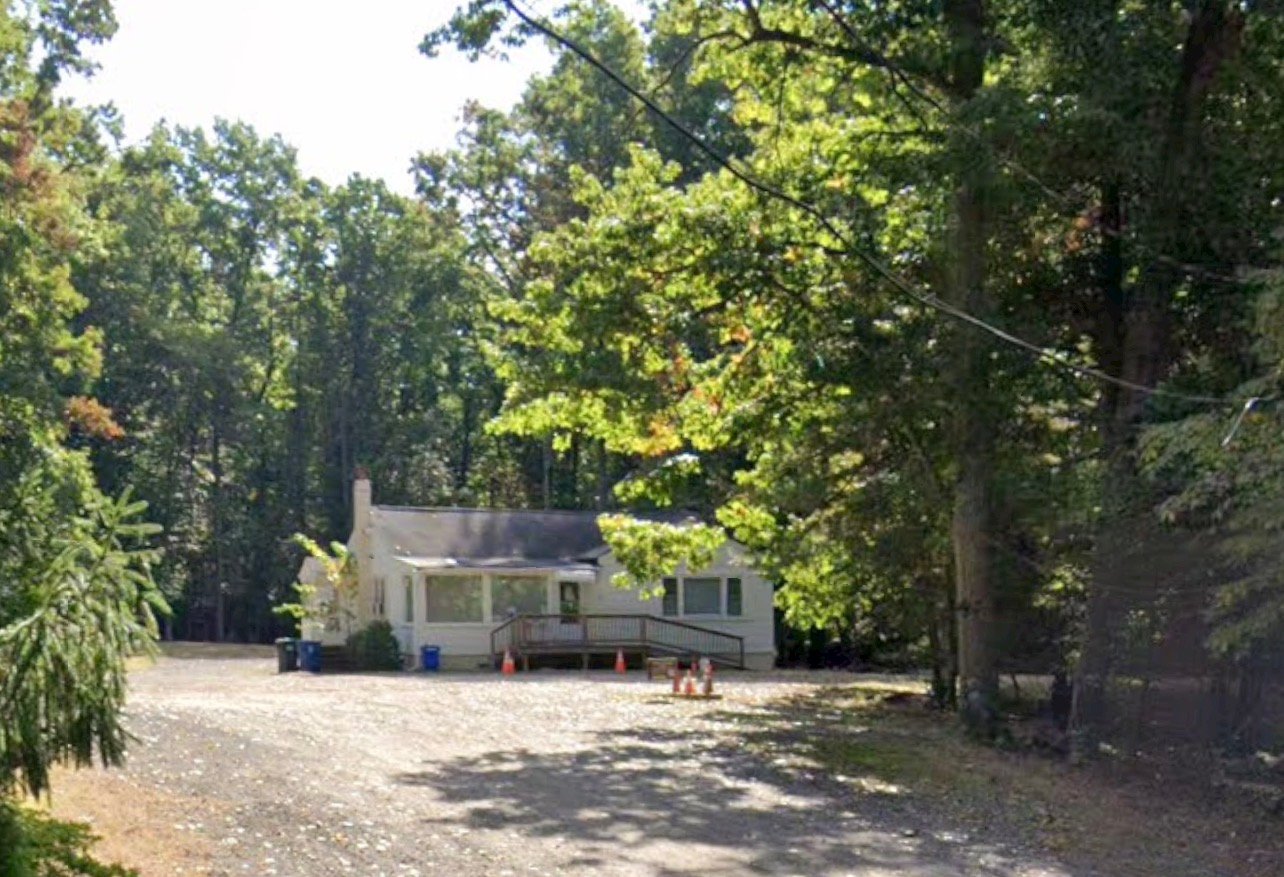
MARLBORO, N.J. — A group representing Marlboro Township’s Muslim community has filed a federal civil rights lawsuit challenging the denial of plans to construct the township’s first mosque, alleging that the five-year zoning process was marked by repeated delays, unequal treatment and hostility toward Muslims.
The lawsuit was filed Sept. 28 in the U.S. District Court for the District of New Jersey by the Muslim Center of New Jersey and individuals associated with the proposed project. The plaintiffs are represented by the Law Firm of Omar T. Mohammedi LLC and the Asian American Legal Defense and Education Fund (AALDEF).
The dispute centers on a proposal for a mosque at 449 Tennent Road. Township records identify the application as ZB-21-6758 and describe a proposed mosque of roughly 13,000 square feet, along with parking and related site improvements.
According to the lawsuit, the application remained before the zoning board for approximately five years, with hearings repeatedly postponed or rescheduled. The plaintiffs say they eventually went to state court in 2025 seeking an order requiring the zoning board to proceed with the application.
The township’s zoning records confirm that the application was the subject of multiple continued hearings. Township notices in 2026 scheduled additional special meetings to consider the mosque proposal, while the township later published a resolution memorializing the denial of the application.
Allegations of anti-Muslim opposition
A central issue in the federal complaint is the conduct of some opponents of the mosque. The plaintiffs allege that anti-Muslim statements were made during public proceedings and circulated on social media while the application was being considered.
The Marlboro Muslim Center’s account of the zoning battle documents comments it says were made by residents and others opposing the project, including statements portraying Muslims as outsiders or describing Islam in hostile terms. These allegations are now part of the broader legal dispute over whether religious bias influenced the zoning process.
The plaintiffs further allege that political opposition to the mosque extended beyond members of the public. The complaint points to statements and campaign positions by local officials that, according to the plaintiffs, demonstrated opposition to the proposed mosque.
At the same time, Marlboro Mayor Jonathan Hornik has publicly condemned hate speech, while the township has supported the zoning board’s decision. Religion News Service reported that a township representative said Marlboro had not received a copy of the federal lawsuit as of Sept. 29.
Five years of zoning proceedings
Mohammed Tahir, identified as a plaintiff and the owner of the property, said the proposed mosque was intended to provide a permanent place of worship for a growing Muslim population in Marlboro.
According to the plaintiffs, the community has been using temporary facilities for Friday prayers rather than having a permanent mosque. Religion News Service reported that roughly 300 Muslims have been gathering at a former firehouse for Friday prayers since 2024.
The township’s official zoning records show that the proposed project underwent extensive review. A 2026 township notice described the proposal as a mosque with associated parking and site improvements at the Tennent Road property.
The plaintiffs argue that their application received treatment different from that afforded to other religious and nonreligious developments in the township. They cite previous zoning approvals involving other houses of worship and secular projects as part of their argument.
Federal civil rights claims
The lawsuit invokes several federal and state legal protections, including the Religious Land Use and Institutionalized Persons Act (RLUIPA), the First Amendment’s Free Exercise protections, the Equal Protection Clause of the U.S. Constitution and provisions of the New Jersey Constitution.
The plaintiffs contend that the township’s actions substantially burdened their ability to establish a permanent place of worship and that the denial was influenced by religious discrimination.
They are asking the federal court to declare the denial unlawful and to provide relief that could include reconsideration or approval of the mosque proposal subject to appropriate conditions, as well as monetary damages.
Attorney Omar Mohammedi said the case raises questions involving religious freedom, equal treatment and protections against discrimination under federal and New Jersey law.
AALDEF attorney Ronak Patel similarly said the organization believes Muslim communities in New Jersey have repeatedly faced significant legal and zoning challenges when seeking to establish mosques.
The lawsuit comes amid a broader history of legal disputes involving mosque proposals in New Jersey. Previous cases involving Muslim communities in places including Bridgewater, Basking Ridge and Sayreville have also resulted in litigation over zoning and religious-land-use issues.
Community seeks permanent place of worship
For Marlboro’s Muslim residents, the dispute extends beyond a single land-use application, according to the plaintiffs.
Tahir said the community’s objective has been to establish a permanent mosque where residents can pray, gather and participate in religious activities without relying on temporary arrangements.
The federal case will now move into the judicial process, where the court will consider the allegations raised by the plaintiffs and the township’s response.
The filing does not itself establish that discrimination occurred; those allegations will be contested and determined through the legal proceedings.
The case represents a significant legal challenge to Marlboro Township’s handling of the proposed mosque and could ultimately address the extent to which local zoning decisions involving houses of worship must comply with federal protections for religious exercise and equal treatment.